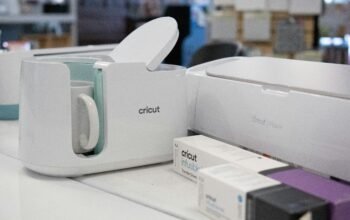
Looking for fresh, creative ways to personalize mugs so they feel meaningful and one-of-a-kind?
Creative Ideas for Customizable Mugs
Customizable mugs let you turn a simple daily object into a memorable gift, promotional item, or personal keepsake. You’ll find design approaches, production techniques, and business tips here so you can bring mug ideas to life whether you’re crafting at home or scaling up for sales.
Why Customizable Mugs Are Popular
People use mugs every day, and that routine makes a personalized mug a high-impact canvas for self-expression. You’ll find that mugs are practical, portable, and sentimental, which is why they work well for gifts, branding, and personal use.

This image is property of images.pexels.com.
Choosing the Right Mug Material
The material you choose affects the look, durability, and printing options for your designs. You’ll want to match material to the technique you’ll use, as well as to the end user’s needs like dishwasher safety and thermal performance.
Ceramic
Ceramic mugs are the most common choice for customization. You’ll appreciate their smooth surface, good heat retention, and compatibility with sublimation and screen printing.
Porcelain
Porcelain offers a more refined look and thinner walls compared to standard ceramic. You’ll prefer porcelain for upscale designs and delicate print work, though it can cost more.
Glass
Glass mugs create a modern, transparent aesthetic that’s great for layered designs and photo effects. You’ll need specialized printing like UV or ceramic frit for durable glass customization.
Stainless Steel
Stainless steel mugs and travel tumblers are ideal for people who want durable, insulated options. You’ll use laser engraving, pad printing, or vinyl for stainless surfaces.
Enamel
Enamel mugs have a retro charm and are lightweight for camping and outdoor use. You’ll typically customize them with screen printing or enamel-safe transfers.
Material Comparison Table
| Material | Best Customization Methods | Durability | Dishwasher Safe |
|---|---|---|---|
| Ceramic | Sublimation, screen print, HTV | Good | Often, depends on finish |
| Porcelain | Sublimation, decal | Moderate to good | Usually |
| Glass | UV print, frit, decals | Moderate | Often fragile |
| Stainless Steel | Laser engraving, pad printing, vinyl | Excellent | Usually hand wash recommended |
| Enamel | Screen print, transfers | Good for outdoor | Usually hand wash recommended |
Printing and Customization Techniques
Different printing and customization processes produce varied results, costs, and durability. You’ll choose a technique based on your design complexity, color needs, and production volume.
Sublimation
Sublimation transfers dye into a polymer-coated surface and is ideal for vibrant, full-wrap designs. You’ll love sublimation for photo-quality prints on coated ceramic and polymer-coated metal.
Screen Printing
Screen printing uses stencils and ink layers, making it great for bold, solid-color designs and larger batches. You’ll find it cost-effective when printing many mugs with the same design.
Pad Printing
Pad printing uses silicone pads to transfer images and is effective for irregular or curved surfaces. You’ll use it when other printing methods can’t reach contoured areas.
UV Printing
UV printing uses ultraviolet light to instantly cure inks on various surfaces, including glass and some metals. You’ll get detailed, durable results for small to medium runs.
Heat Transfer Vinyl (HTV) and Vinyl Cutting
Vinyl offers clean, crisp cut-outs and works well for names, logos, and simple shapes. You’ll apply vinyl with a heat press for permanence on certain surfaces or with adhesive vinyl for non-heat options.
Laser Engraving
Laser engraving etches the material rather than covering it with ink, creating a permanent design on stainless steel, wood, and some coated ceramics. You’ll choose engraving for minimalist or premium looks.
Hydrodipping and Marbling
Hydrodipping creates unique, swirled patterns by transferring paint from water onto the mug surface. You’ll enjoy producing one-of-a-kind pieces, though process control is more art than science.
Hand-Painting and Porcelain Pens
Hand-painted mugs bring an artisan touch and allow truly custom, small-batch creations. You’ll need kiln firing or a proper sealant depending on the paint type.
Decals and Ceramic Transfers
Decals let you print complex images on transfer paper and then apply and vitrify them onto ceramic. You’ll prefer this when you need photo-realism with ceramic durability.
Method Comparison Table
| Method | Best For | Color Range | Cost per Unit | Best for Volume |
|---|---|---|---|---|
| Sublimation | Full-wrap photos | Unlimited | Moderate (higher initial) | Small–Medium |
| Screen Printing | Solid-color logos | Limited per pass | Low (per unit) | Large |
| UV Printing | Glass, small runs | Full color | Moderate | Small–Medium |
| Pad Printing | Curved surfaces | Limited | Moderate | Medium |
| Vinyl | Names, simple shapes | Solid colors | Low | Small |
| Laser Engraving | Metals, premium | Monochrome (etched) | High | Small–Medium |
| Hydrodipping | Unique patterns | Multi | Low–Moderate | Small (artistic) |
| Hand-Painting | Artisanal pieces | Full | Variable | Very Small |

This image is property of images.pexels.com.
Design Concepts and Themes
Choosing a theme helps you brainstorm consistent design elements and gives each mug a clear purpose. You’ll find specific themes sell well or make heartfelt gifts.
Minimalist Designs
Minimalist mugs use clean lines, limited color palettes, and simple typography. You’ll make a sleek, modern mug that appeals to people who like understated style.
Photo Mugs
Photo mugs are sentimental and perfect for gifts—family photos, pets, or travel memories. You’ll need high-resolution images and a printing method like sublimation for the best results.
Handwritten Messages
Handwritten messages can be actual handwriting reproduced on a mug or hand-painted directly. You’ll create a personal touch that feels intimate and unique.
Illustrated Characters and Icons
Playful or branded characters add personality and help you tell a story with a series of mugs. You’ll build brand recognition if you create a mascot or recurring character.
Seasonal and Holiday Themes
Seasonal mugs sell well around events—Christmas, Halloween, Valentine’s Day, graduations. You’ll time production so designs are available well before the holiday.
Motivational Quotes and Typography
Inspirational quotes are evergreen and can easily be changed to match niche audiences. You’ll combine readable fonts, color contrast, and layout balance for maximum impact.
Patterns and Textures
Geometric patterns, watercolor textures, and terrazzo effects add visual interest without relying on images. You’ll use pattern repeats or partial wraps to remain cost-effective.
Maps and Coordinates
Mugs with city maps, landmark sketches, or specific coordinates make excellent travel mementos. You’ll personalize them for weddings, birthdays, or relocation gifts.
Name Personalization and Monograms
A monogram or name gives the mug a custom, ownership feel that many buyers seek. You’ll offer font and color options to increase perceived value.
Techniques for DIY Customizable Mugs
If you’re making mugs at home, several approachable techniques produce great results with common tools. You’ll want to consider safety and durability for everyday use.
Using Permanent Markers and Baking
Sharpie or oil-based markers let you draw and write directly on plain mugs, then you bake to help set the ink. You’ll clean the mug, sketch your design, bake at a low temperature to cure, and hand-wash gently to preserve the design.
- Step-by-step: Clean mug > Sketch > Bake at 350°F for 30 minutes (check marker instructions) > Cool gradually.
- Tips: Use alcohol to remove mistakes before baking; test a scrap mug first.
Acrylic Paint and Sealant
Acrylic enamel paints provide broad color choices and brush effects. You’ll paint, let dry, then apply a food-safe clear sealant or cure in oven if the paint supports it.
- Step-by-step: Sand gloss slightly > Clean mug > Paint > Cure if required > Seal.
- Tips: Use stencils for crisp shapes and choose non-toxic, dishwasher-safe paints.
Decoupage and Mod Podge
Decoupage lets you apply printed images, patterned paper, or fabric to mugs. You’ll apply multiple lacquered layers to protect the surface.
- Step-by-step: Clean > Apply Mod Podge > Place paper > Smooth > Seal with multiple layers > Cure.
- Tips: Use thin tissue or napkin layers for easier smoothing; hand-wash only.
Heat Transfer Vinyl (HTV)
HTV works for many coated mugs. You’ll cut vinyl with a plotter, weed excess, then heat-press or use a small heat gun for adhesion.
- Step-by-step: Design > Cut vinyl > Weed > Position > Heat transfer > Peel.
- Tips: Use a silicone mat to protect the mug and avoid overheating to prevent warping.
Sublimation at Home
Sublimation requires a printer, sublimation inks, coated mugs, and a heat press or oven with proper jigs. You’ll achieve photo-quality, durable prints.
- Step-by-step: Print mirrored image on sublimation paper > Wrap around mug securely > Apply heat press (or mug press) at recommended temperature/time > Remove paper.
- Tips: Use a heat-resistant tape and gloves; practice with a few test prints.
Hydrodipping and Marbling
Hydrodipping creates fluid, organic patterns. You’ll float paint on water, swirl for a pattern, then immerse the mug to transfer the pattern.
- Step-by-step: Prepare water tank > Drop paints > Create pattern with a stick > Spray activator if needed > Dip mug > Clean and seal.
- Tips: Use consistent motion when dipping and seal thoroughly to protect the finish.
Stamping and Rubber Stamps
Stamps allow repeated, consistent motifs quickly. You’ll use permanent ceramic inks or hand-applied paints depending on the stamp medium.
- Step-by-step: Ink stamp > Press onto mug > Cure if necessary > Seal.
- Tips: Practice pressure and alignment on scrap pieces first.

This image is property of images.pexels.com.
Safety, Curing, and Care Instructions
Caring for customized mugs affects how long your designs last and whether they’re safe for food. You’ll follow manufacturer guidance for paints and inks, and advise end users on proper care.
Curing and Heat Treatment
Many DIY methods require heat to cure inks and paints. You’ll follow exact temperatures and times to avoid cracking or discoloration. Sublimation and some paints require a controlled heat press environment for best results.
Dishwasher and Microwave Safety
Not all customized mugs are dishwasher or microwave safe—this depends on materials and finish. You’ll clearly label items: dishwasher-safe, hand-wash only, or not microwave-safe to set buyer expectations.
Food-Safe Sealants
If your glaze or paint will contact lips, you should use food-safe sealants and finishes. You’ll select FDA-compliant options and test for durability.
Cleaning and Maintenance Tips
Hand-washing with a soft sponge and mild detergent preserves most custom finishes. You’ll avoid abrasive scrubbing and prolonged soaking of vinyl or decals to reduce peeling.
Packaging and Presentation Ideas
How you package a customizable mug matters—presentation increases perceived value and protects the item during transit. You’ll design unboxing experiences that align with your brand or gift purpose.
Gift-Ready Packaging
Wrap mugs in tissue, use a sturdy box with padding, and include a small card with the personalization details. You’ll add ribbon or a branded sticker for finishing touches.
Eco-Friendly Packaging
Choose recycled boxes, paper void-fill, and compostable tape if you want a greener option. You’ll include a care card printed on recycled paper to reinforce sustainability.
Bulk and Corporate Packaging
For corporate orders, you’ll design consistent branding across packaging, include return slips, and ensure protective inserts to prevent damage in shipping.
Pricing and Selling Custom Mugs
Whether you offer personalized mugs as a hobby or as a business, understanding costs and pricing strategy helps you maintain profitability.
Cost Factors
Material cost, printing method, labor time, packaging, and overhead all factor into the final price. You’ll calculate per-unit costs carefully, including waste and setup time for batch runs.
Suggested Pricing Models
You can set prices by mark-up, cost-plus, or perceived value. For example:
- Cost-plus: Add a fixed profit margin over per-unit cost.
- Value-based: Price based on uniqueness, demand, and brand.
- Tiered pricing: Offer discounts for bulk orders or set packages for events.
Cost Breakdown Table Example
| Expense | Estimated Cost per Mug (example) |
|---|---|
| Blank mug | $1.50–$4.00 |
| Printing (sublimation/print) | $0.80–$3.00 |
| Labor/time | $1.00–$4.00 |
| Packaging | $0.50–$2.00 |
| Overhead & shipping | $0.50–$2.00 |
| Suggested retail (low end) | $10–$15 |
| Suggested retail (premium) | $20–$40+ |
You’ll adjust numbers for your local costs, shipping, and demand.
Marketing and Selling Channels
You’ll reach customers through multiple channels, tailoring messaging for each platform. Consider which channels best match your audience and production capacity.
Online Marketplaces
Etsy and similar marketplaces help you reach craft-focused buyers quickly. You’ll optimize listings with clear photos, personalization options, and keywords.
Your Own Storefront
A Shopify or WooCommerce store gives you more control over branding and margins. You’ll invest in product photography, descriptions, and SEO to drive traffic.
Social Media and Influencer Marketing
Platforms like Instagram and Pinterest let customers see your work in context. You’ll partner with micro-influencers for authentic endorsements and showcase custom order stories.
Local Markets and Pop-Ups
Farmer’s markets, craft fairs, and pop-up shops let you meet buyers in person. You’ll bring a variety of samples and on-site customization options if possible.
Corporate and Bulk Orders
Offer personalized corporate gifts for events, employee recognition, and client appreciation. You’ll create templates and pricing tiers for larger orders and offer proofs for approval.
Creative Use Cases and Gift Ideas
Personalized mugs serve many life moments—you’ll match designs to occasions for targeted selling and gifting.
Weddings and Bridal Parties
Offer matching sets for bridesmaid gifts, couple mugs with joined designs, or date and venue coordinates. You’ll create elegant packaging that matches wedding colors.
Birthdays and Milestones
Custom mugs for birthdays, graduations, and retirements can include photos, quotes, or milestone numbers. You’ll offer fast-turnaround options for last-minute gifts.
Corporate Gifts and Employee Recognition
Branded mugs with a personal touch build morale and recall. You’ll focus on quality and consistent branding for corporate clients.
Teachers and Caregivers
Teacher mugs with inspirational quotes or names make practical, appreciated gifts. You’ll provide class-size bulk ordering and include gift-wrapping options.
Pet and Animal Lovers
Mugs with pet photos, sketches, or paw-shaped patterns are highly desirable. You’ll offer portrait services and templates that highlight the pet’s personality.
Subscription or Series Collections
Create collectible series—quotations, city maps, or illustration sets—to encourage repeat purchases. You’ll release limited editions to increase demand.
Troubleshooting Common Problems
When customizing mugs, problems will arise. You’ll recognize common issues and use preventive steps to avoid them.
Fading or Peeling Prints
Fading often results from improper curing or non-dishwasher-safe materials. You’ll use recommended heat times and durable inks, and specify care instructions to customers.
Uneven Coating or Bubbles (Hydrodipping/Decals)
Bubbles and uneven application come from trapped air or surface contamination. You’ll clean surfaces thoroughly and master consistent technique and pressure when applying.
Misalignment on Wraps and Transfers
Design misalignment occurs when templates aren’t accurate or when the transfer moves during heat pressing. You’ll use jigs, heat-resistant tapes, and test prints to ensure alignment.
Cracking or Flaking (Paint)
Cracking can result from incompatible paint, too-thick layers, or improper curing. You’ll thin coats, cure properly, and choose paints intended for ceramics.
Sustainability and Eco-Friendly Options
As demand for greener products grows, you’ll want to consider sustainable choices for materials, ink, and packaging.
Reusable and Long-Lasting Mugs
Promote mugs designed for longevity—high-quality materials and durable finishes reduce waste over time. You’ll encourage customers to keep and reuse products rather than discarding them.
Eco-Friendly Inks and Materials
Use water-based inks or eco-certified inks when possible, and choose suppliers who prioritize sustainability. You’ll look for recycled or responsibly sourced blanks.
Responsible Packaging
Opt for recycled boxes, paper tape, and compostable void-fill. You’ll also offer minimal packaging options for local pickup to reduce waste.
Tools, Suppliers, and Resources
Choosing the right tools and suppliers streamlines production and improves quality. You’ll want to test suppliers and maintain clear quality standards.
Basic Tool Checklist
- Heat press or mug press
- Sublimation printer and inks
- Vinyl cutter (for HTV/adherent vinyl)
- Laser engraver (for metal)
- Sealants and food-safe finishes
- Heat-resistant tape and silicone jigs
Finding Reliable Suppliers
Order small samples first to check color accuracy and surface quality. You’ll evaluate suppliers based on lead times, MOQ (minimum order quantities), and return policies.
Design Software and Mockups
Use Canva, Adobe Photoshop, or GIMP for creating designs, and mockup generators for product photos. You’ll make mockups to preview designs and speed up listing creation.
Final Tips and Next Steps
Whether you’re customizing mugs for fun, gifts, or a business, thoughtful design, consistent quality control, and clear communication will set you apart. You’ll experiment, test materials, and refine your processes as you grow your skills or business.
- Start small with a few reliable customization methods and scale as demand increases.
- Keep documentation for recipes and production steps so you can reproduce your best results.
- Ask for customer feedback and use it to refine designs, pricing, and packaging.
If you stick to good materials, clear processes, and thoughtful presentation, your customizable mugs will not only be beautiful but also durable and meaningful to the people who use them.