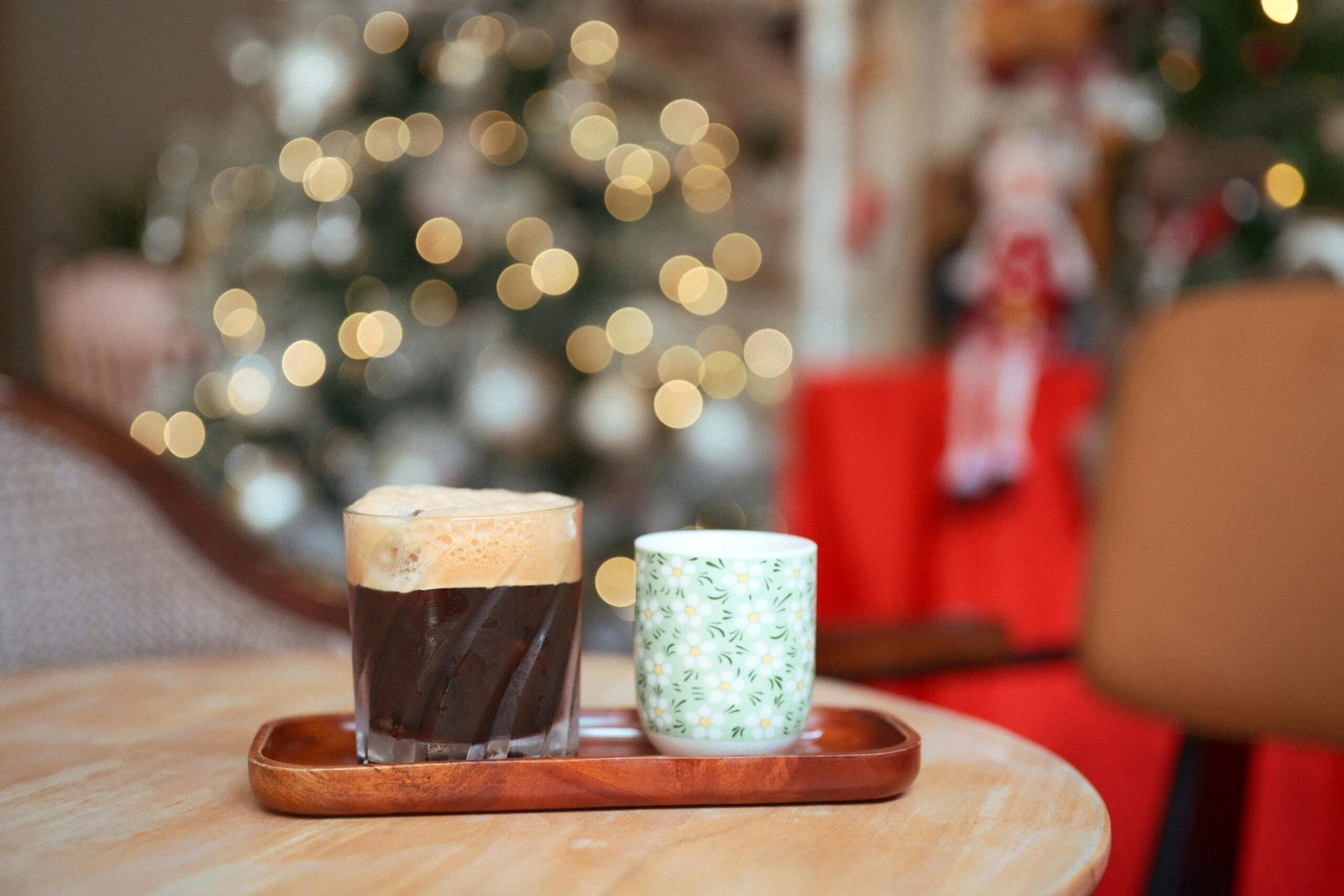
Have you ever thought about how a simple coffee mug can become a powerful tool for personal and brand expression?
Custom printed coffee mugs for personal and brand expression
Custom printed coffee mugs offer a unique blend of function, emotion, and visibility. Whether you want to make a personal statement, commemorate a moment, or promote your business, a mug can carry a message every time it’s used. This article guides you through the choices, processes, and strategies so you can make confident decisions about custom mugs.
Why choose custom printed mugs?
Custom mugs are versatile and affordable ways to communicate personality and values. They reach audiences in homes, offices, and social settings, giving your design repeated exposure without appearing intrusive. You’ll find they’re valuable both as keepsakes and as marketing tools.
Who benefits from custom mugs?
Individuals, small businesses, large corporations, event planners, and creative professionals all have reasons to invest in custom mugs. You’ll see benefits whether you’re creating a one-off gift, building brand recognition, or offering merchandise to customers. The scale is flexible to meet varied budgets and goals.
Types of mugs and materials
Choosing the right mug material affects appearance, durability, price, and printing options. You’ll want to match the material to the intended use and aesthetic.
Ceramic mugs
Ceramic is the most common choice for printed mugs. Ceramic mugs provide a smooth surface for vibrant colors, are microwave- and dishwasher-friendly (usually), and give a classic look. You’ll find ceramic good for everyday use and mass giveaways.
Porcelain and bone china mugs
Porcelain and bone china are finer, thinner, and often considered more elegant than standard ceramic. If you want a premium feel for special gifts or upscale brand merchandise, these materials are excellent. You’ll pay more for the delicate finish and refined appearance.
Stainless steel and insulated travel mugs
If you want durability and temperature retention, stainless steel is ideal. Vacuum-insulated travel mugs keep beverages hot or cold for hours and appeal to commuters and outdoor enthusiasts. You’ll need printing methods suited to metal surfaces or apply wraps and laser engraving.
Glass mugs
Glass mugs offer a modern, sleek look and work well for specialty beverages. You’ll need careful handling in production and shipping, but the transparency can be used creatively with inside printing or double-walled designs.
Emameled mugs
Enamel mugs deliver a rustic, vintage aesthetic that suits camping and outdoor themes. They’re lightweight and durable, but printed colors may appear different on the slightly textured enamel surface. You’ll want designs that match the retro vibe.
Comparison table: common mug materials
| Material | Look & Feel | Durability | Typical Uses | Printing Compatibility |
|---|---|---|---|---|
| Ceramic | Classic, smooth | Good | Everyday, giveaways | Sublimation, screen, digital |
| Porcelain/Bone china | Elegant, delicate | Moderate | Premium gifts, hospitality | Screen, digital, decal |
| Stainless steel | Modern, rugged | Excellent | Travel, outdoor, corporate | Laser engraving, pad printing, wraps |
| Glass | Sleek, transparent | Fragile | Specialty drinks, promos | Screen, laser, decals |
| Enamel | Vintage, rustic | Very durable | Camping, outdoor | Heat transfer, screen |

This image is property of images.pexels.com.
Printing methods and their strengths
Different printing methods produce different looks, costs, and durability. You’ll choose based on artwork complexity, run size, budget, and the mug material.
Sublimation printing
Sublimation is popular for ceramic mugs with specially coated surfaces. Dye-inks are transferred under heat so colors become part of the mug’s coating. You’ll get full-color, photorealistic results that are dishwasher-safe when done correctly. Sublimation is best for white or light-colored substrates, and it’s ideal for medium to large runs.
Screen printing
Screen printing pushes ink through a mesh stencil and is cost-effective for simple designs and large orders. You’ll use it for bold, single-color logos and corporate orders. It’s durable and works well on ceramic and metal, but it’s less suited to photographic detail.
Pad printing
Pad printing is ideal for printing on curved surfaces and irregular shapes. You’ll find it useful for stainless steel and travel mugs. Pad printing handles simple logos and small text well, but it’s not the best choice for complex, multicolor images.
Digital ceramic printing
Digital ceramic printing uses inkjet technology adapted for mugs and allows full-color printing directly onto ceramic bodies. You’ll get good detail and gradient handling with reasonable durability. It’s a newer method suitable for small to medium runs.
UV printing
UV printing uses UV-curable inks that quickly harden under ultraviolet light. You’ll use UV for direct-to-object printing on a wide range of materials, including stainless steel and glass. It supports high-resolution images and is durable, but initial equipment costs are higher.
Decal and heat transfer
Decal printing involves printing onto special paper and transferring the design to the mug via heat. You’ll use this for complex images and specialty finishes. After application, decals are often fired or cured to bond with surfaces.
Laser engraving
Laser engraving removes a surface layer to reveal a design etched into metal or coated ceramics. You’ll get a permanent, tactile mark with a premium look. Laser engraving is monochrome but very durable and great for personalization, serial numbers, or subtle branding.
Printing methods comparison table
| Method | Best For | Color Range | Durability | Cost for Small Runs |
|---|---|---|---|---|
| Sublimation | Full-color ceramic | Full color | High | Moderate |
| Screen printing | Simple logos, large runs | Limited by screens | High | Low |
| Pad printing | Curved surfaces | Limited | High | Moderate |
| Digital ceramic | Detailed images | Full color | Moderate-High | Moderate |
| UV printing | Variety of substrates | Full color | High | Higher |
| Decal/heat transfer | Complex images | Full color | High after firing | Moderate |
| Laser engraving | Metal, premium look | Monochrome | Very high | Moderate |
Design considerations for personal and brand expression
Design is where your message becomes tangible. You’ll want to think about clarity, readability, color, and how the design will look in everyday use.
Know your purpose and audience
Before designing, decide whether the mug is for personal expression, a gift, a fundraising item, or brand promotion. You’ll tailor the style to the recipient or target market, using colors, fonts, and imagery that resonate with them.
Layout and composition
Keep the most important elements within the safe print area. You’ll often have a wrap or front-facing layout; make sure logos and text are legible at typical viewing distances. Avoid clutter and maintain balance between text and imagery.
Color choices and contrast
Color choices affect emotional response and legibility. You’ll pick colors that contrast well against the mug’s base color for readability. Remember that color appearance can vary by material and printing method. For accurate results, ask for color proofs and consult with providers about CMYK or RGB requirements and Pantone matching if necessary.
Typography and readability
Fonts should be legible at small sizes. You’ll avoid overly decorative fonts for long messages. Consider font weight and spacing so text remains clear when wrapped around a curved surface.
Photographic graphics and gradients
High-resolution images produce the best results. You’ll supply photos at 300 DPI or higher when possible. Gradients may band or shift depending on the printing method, so check sample prints before confirming large runs.
Personalized versus templated designs
Personalized mugs (names, photos, messages) create emotional value and higher perceived worth. You’ll use templated designs for efficient bulk orders or to let customers easily customize items on your e-commerce store.
This image is property of images.pexels.com.
Artwork preparation and technical specs
Preparing artwork correctly prevents printing delays and ensures the final product matches expectations. You’ll use specific formats and follow technical guidelines.
File formats and color modes
Provide vector files (AI, EPS, PDF) for logos and text-based designs whenever possible. You’ll use raster formats (TIFF, PNG, PSD) for photos. Use CMYK color mode for most print processes, unless the printer requests RGB or Pantone spot colors.
Resolution and image sizing
Supply images at 300 DPI at final print size for best results. You’ll avoid scaling up low-resolution images; enlarging pixel-based graphics causes blurring and pixelation. Always check the recommended dimensions from your supplier.
Bleed and safe zone
Include bleed (typically 3–5 mm or a specified margin) for edge-to-edge prints, and keep important elements inside the “safe zone” so they aren’t trimmed during finishing. You’ll want to ask for the printer’s template to ensure perfect alignment.
Fonts and outlines
Convert text to outlines/paths in vector files to avoid font substitution issues. You’ll include font files only if the printer needs to make edits and cannot convert them.
Proofing and mockups
Request digital and physical proofs. You’ll get a chance to confirm color accuracy, placement, and scale. A physical sample is the best way to evaluate texture, finish, and color fidelity before a large run.
Personal expression through custom mugs
Custom mugs are powerful tools for expressing individuality, commemorating moments, and giving heartfelt gifts. You’ll find many ways to create meaningful items.
Gifts for friends and family
Personalized mugs with names, inside jokes, family photos, or special dates make memorable presents. You’ll surprise people with curated designs that reflect shared experiences and personal tastes.
Self-expression and hobbies
Use mugs to showcase hobbies, favorite quotes, or personal artwork. You’ll appreciate the daily reminder of what matters to you and may start conversations with like-minded people.
Special occasions and milestones
Create mugs for weddings, anniversaries, graduations, and retirements. You’ll immortalize key moments with a practical keepsake that’s used repeatedly and often displayed in photos and social posts.
Fundraisers and community projects
Customized mugs sell well at fundraisers and local events. You’ll raise funds and awareness by combining an appealing design with a relevant cause or community symbol.
DIY and small-batch creations
If you’re making a few mugs for personal use or a small shop, you can use on-demand printing services or local print shops that support low minimums. You’ll keep designs fresh and iterate quickly without large upfront costs.
This image is property of images.pexels.com.
Brand expression and marketing with mugs
Custom mugs can become consistent brand touchpoints in employee culture, promotional campaigns, and retail product lines. You’ll use mugs to extend brand reach in a subtle, everyday way.
Employee swag and corporate gifts
Providing branded mugs to employees strengthens company identity and fosters pride. You’ll reinforce internal culture and reward staff with useful, high-quality items.
Customer giveaways and promotions
Mugs are effective promotional items at trade shows, subscription boxes, and events. You’ll choose designs that attract attention and encourage social sharing to amplify reach.
Corporate gifting and client relationships
Premium or personalized mugs as corporate gifts signal appreciation and help maintain business relationships. You’ll select upscale materials and thoughtful packaging to reflect the value of those relationships.
Merchandise and retail products
Selling branded mugs as merchandise can create a new revenue stream and deepen customer loyalty. You’ll design limited editions or collaborations to encourage repeat purchases and collectability.
Measuring impact and ROI
Track promotional codes, QR codes, and social engagement to measure mug-campaign effectiveness. You’ll monitor metrics such as website traffic lift, sales conversions, and social mentions to assess return on investment.
Cost considerations and budgeting
Understanding cost drivers helps you plan an effective campaign or personal project. You’ll weigh quantity, material, printing method, and finishing options.
Pricing factors
Costs vary based on:
- Quantity: Larger runs reduce per-unit cost due to setup amortization.
- Material: Premium materials like stainless steel and porcelain are pricier.
- Printing method: Complex or high-color processes cost more.
- Finishing: Special finishes, lids (for travel mugs), and premium packaging add cost. You’ll estimate total expenses by discussing specifications with printers and requesting tiered pricing.
Minimum order quantities
Some printers require minimum orders, especially for screen printing and pad printing. You’ll find suppliers that specialize in low minimums or print-on-demand services for single items and small runs, though unit price will be higher.
Lead times and scheduling
Production lead times range from days to weeks depending on method and quantity. You’ll account for proofing, sample approval, shipping, and any seasonal delays to meet your deadlines.
Packaging and shipping costs
Protective packaging is crucial to prevent damage. You’ll choose single-cup boxes for retail or bulk packaging for giveaways, and factor in shipping costs, particularly for fragile materials like glass and porcelain.
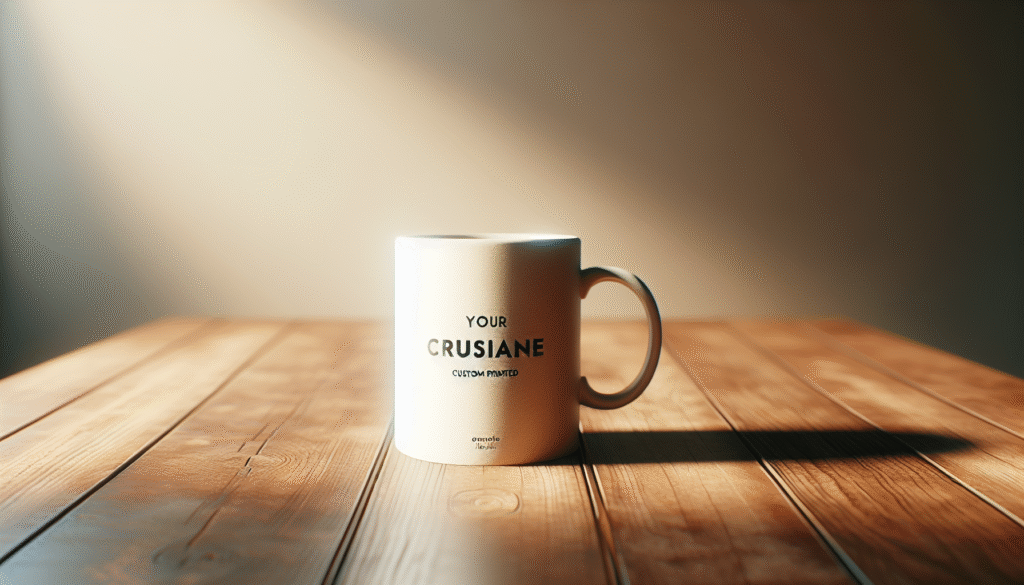
Durability, care, and user experience
How a mug withstands use and washing impacts long-term brand visibility. You’ll set expectations for end-users and provide care instructions.
Heat and dishwasher resistance
Most printed mugs are dishwasher-safe if printed and cured properly, but some methods and coatings may fade over time with repeated dishwashing. You’ll advise users on hand-washing for longevity if needed, especially for metallic or specialty finishes.
Scratch resistance and fading
UV and sublimation methods are generally resistant to fading, while surface-applied decals may wear over time. You’ll evaluate trade-offs depending on whether durability or cost is more important.
User comfort and ergonomics
Handle size, weight, rim thickness, and insulation affect daily use. You’ll choose mug styles that fit typical user preferences and use cases — a large soup-style mug for cozy mornings versus a travel mug with a secure lid for commuters.
Safety and compliance
Ensure mugs meet safety standards for food-contact materials, especially if you’re selling them. You’ll verify that inks and coatings are non-toxic and FDA-compliant where applicable.
Sustainability and ethical choices
Sustainable options matter to many consumers and can align with brand values. You’ll consider eco-friendly materials, production practices, and packaging.
Reusable and recyclable materials
Choose durable, reusable materials over single-use alternatives. You’ll prefer recyclable packaging and materials where possible and communicate sustainability practices clearly to customers.
Low-waste production and local sourcing
Working with local printers can reduce shipping emissions and support ethical labor practices. You’ll ask suppliers about waste reduction, ink types (eco-friendly inks), and energy-efficient processes.
Consumer messaging
If sustainability is part of your brand identity, print care instructions and sustainability claims on packaging and product pages. You’ll be transparent about materials and responsible sourcing.
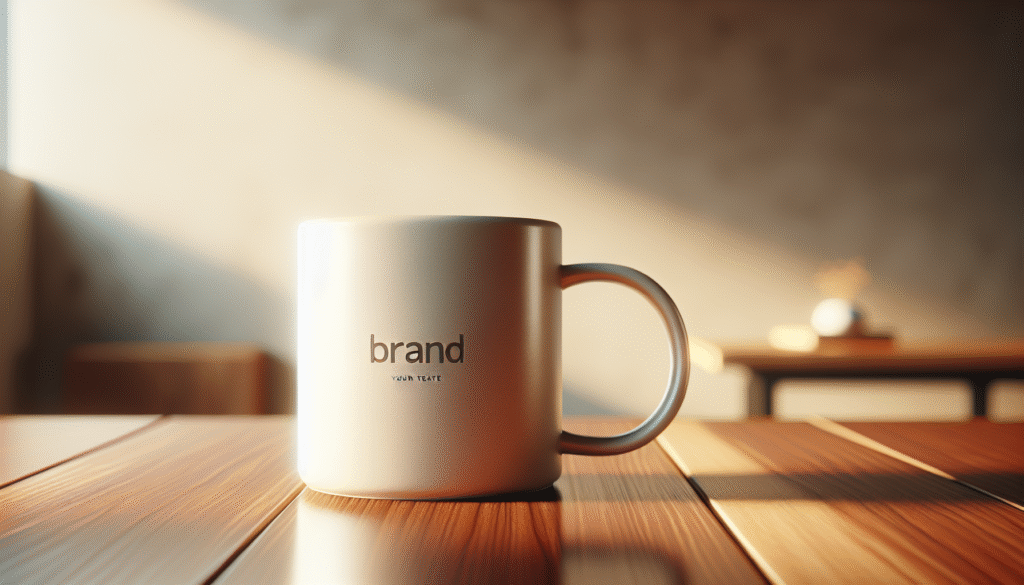
Packaging and presentation
Packaging enhances perceived value and protects the product. You’ll match packaging style to the mug’s purpose and brand positioning.
Retail packaging versus promotional packaging
Retail products often use branded boxes with protective inserts and product information. Promotional giveaways might use bulk packaging or simple protective wraps. You’ll choose presentation based on budget and intended impact.
Gift-ready options
Premium packaging with tissue paper, custom boxes, and gift cards increases perceived value and makes a mug ready for gifting. You’ll invest in attractive packaging for corporate gifts and retail merchandise.
Shipping considerations
Use protective padding and individual compartments for fragile items. You’ll balance cost and protection to minimize breakage and returns.
Common mistakes to avoid
Knowing frequent pitfalls helps you avoid reprints, delays, and disappointment. You’ll benefit from careful planning and communication.
Poor artwork preparation
Low-resolution files, incorrect color modes, and missing bleeds lead to poor results. You’ll follow printer specs and supply vector files when possible.
Not ordering samples
Skipping physical samples can result in unexpected color shifts or finish issues. You’ll order a prototype to confirm quality before committing to large runs.
Ignoring user experience
Focusing only on aesthetics without considering ergonomics and durability can lead to low use and poor perception. You’ll test the mug’s feel, lid fit, and overall usability.
Overly complex designs for small surfaces
Tiny details can be lost on small mug surfaces. You’ll simplify logos and text for clarity.
Case studies and use examples
Real-world examples illustrate how mugs can drive engagement and brand building. You’ll gain ideas for your own projects.
Local café merchandise
A café created a series of seasonal mugs featuring local landmarks and artists. Customers purchased them as souvenirs and social media shares increased foot traffic. You’ll consider limited runs and artist collaborations for unique merchandise.
Employee welcome packages
A tech company included branded insulated mugs in onboarding packages to reinforce culture and reduce single-use cup waste. You’ll see benefits in retention and brand alignment.
Fundraiser campaign
A non-profit sold limited-edition mugs with campaign artwork to raise funds and awareness. Donors appreciated the tangible keepsake and shared images online, boosting awareness. You’ll plan limited editions to encourage urgency and collectability.
Frequently asked questions
This section answers common questions you’ll likely have when ordering custom mugs.
What is the minimum order quantity?
Minimums vary by shop and method. You’ll find print-on-demand with no minimums, while screen printing might require larger batches. Always check supplier policies.
How long do custom mugs take to produce?
Production time ranges from a few days for small digital orders to several weeks for large screen-printed runs, plus shipping. You’ll plan ahead for peak seasons.
Can I use photographs on mugs?
Yes, with sublimation or high-resolution digital printing you can use photos. You’ll supply large, high-quality files to avoid pixelation.
Are custom mugs dishwasher-safe?
Many custom mugs are dishwasher-safe, but this depends on materials and printing methods. You’ll follow the printer’s care instructions to maintain color and finish.
How do I price custom mugs for resale?
Factor in material cost, printing, packaging, shipping, and desired profit margin. You’ll also consider perceived value and competitor pricing to set a market-appropriate price.
Final tips for a successful custom mug project
Succeeding with custom mugs requires planning, testing, and clear communication. You’ll maximize results by following a few practical steps.
- Start with a clear objective: personal keepsake, gift, merchandise, or promotion.
- Gather high-quality artwork and consult printer templates early.
- Request proofs and physical samples before large orders.
- Consider the user experience: weight, handle comfort, lid quality for travel mugs.
- Choose sustainable options if that aligns with your values.
- Track campaign metrics if mugs are used for marketing or promotions.
Conclusion
Custom printed coffee mugs are a simple yet effective canvas for personal and brand expression. You’ll find that thoughtful design choices, the right materials, and the appropriate printing method turn an everyday object into a lasting impression. Whether you’re creating a meaningful gift or building a brand touchpoint, mugs provide repeated visibility and emotional connection at an approachable price. Start by clarifying your goals, preparing your artwork carefully, and choosing a production method that fits your needs — and you’ll be holding a tangible reflection of your message in no time.