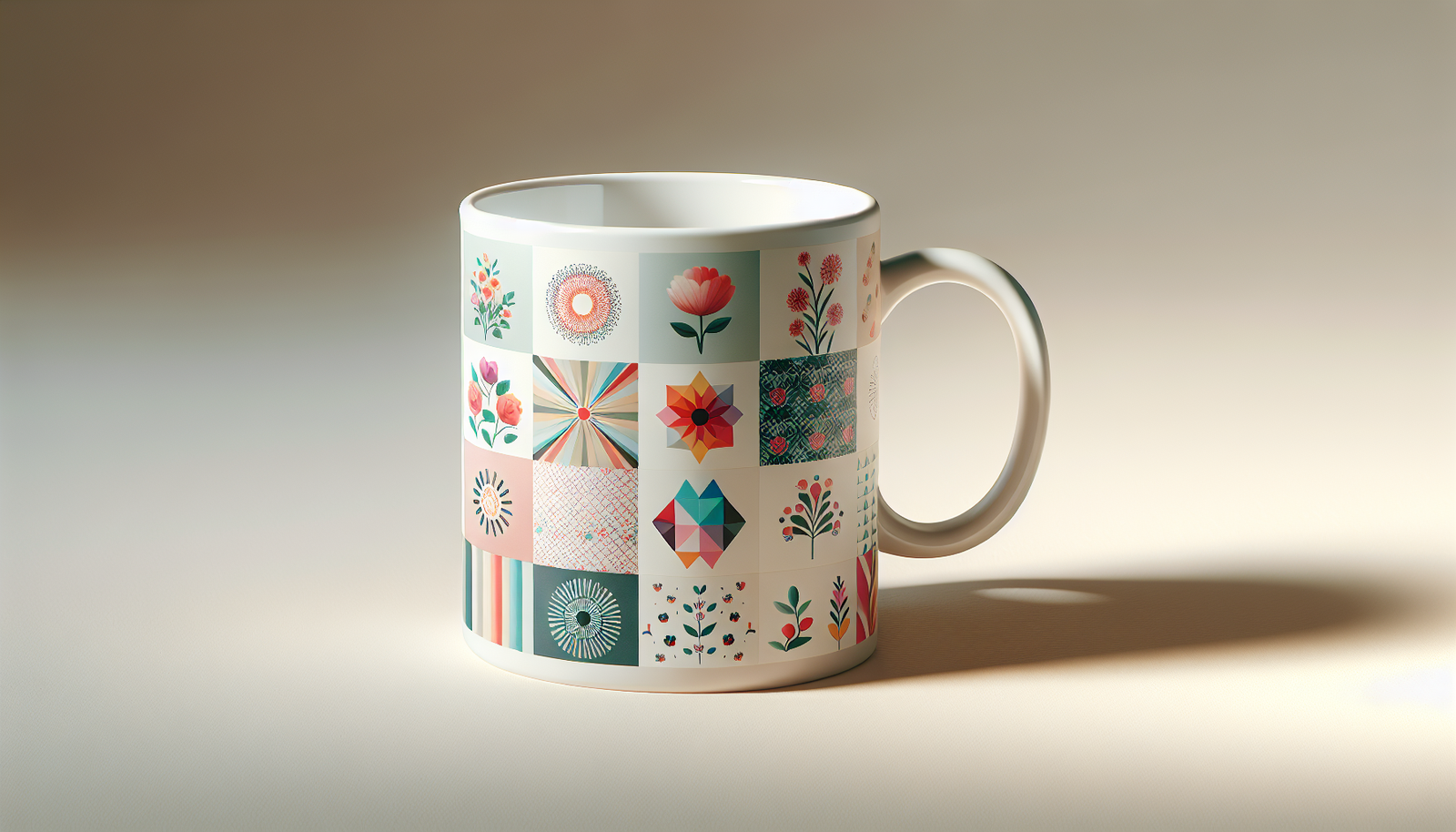
Looking for creative ways to make personalized gifts that will make someone smile every morning?
This image is property of images.pexels.com.
Printable Mugs Design Inspirations for Personalized Gifts
This article will guide you through practical design ideas, technical tips, and marketing strategies so you can create beautiful printable mugs for gifts or small business sales. You’ll learn about materials, printing methods, design approaches, personalization techniques, and ways to present and price your finished mugs.
Why printable mugs make great personalized gifts
Printable mugs are practical, affordable, and highly customizable, which makes them ideal for personal gifts. You can combine meaningful messages, photos, or playful art to match the recipient’s interests and personality, and the finished product is something they’ll use daily.
Emotional value and everyday utility
A mug with a personal message or image becomes part of daily routines such as morning coffee, tea breaks, or desk hydration. That repeated exposure strengthens the emotional value of the gift and reminds the recipient of your thoughtfulness.
Cost-effectiveness and scale
Printable mugs are relatively inexpensive to produce, especially if you buy blank mugs in bulk or use a print-on-demand service. This makes them suitable for single heartfelt gifts or small-run productions for events, holidays, or local markets.
Types of mugs and their advantages
Choosing the right mug type helps you match aesthetics, durability, and printing compatibility with your design vision. Below is a helpful comparison to guide your selection.
| Mug type | Material | Best for | Durability |
|---|---|---|---|
| Ceramic (Glossy White) | White glazed ceramic | Bright full-color designs, photos, typography | High; dishwasher safe if properly printed |
| Matte Ceramic | Ceramic with matte finish | Minimalist designs, muted palettes | Moderate; careful washing recommended |
| Enamel | Metal with enamel coating | Rustic themes, outdoor use | Durable; not microwave-safe |
| Stainless Steel | Metal | Travel/thermal mugs, outdoor use | Very durable; limited printing styles |
| Glass | Glass | Transparent overlays, layered designs | Fragile; novelty/high-end look |
| Color-changing (Thermochromic) | Specialty coating | Surprise reveals, novelty gifts | Moderate; breakable and sensitive to cleaning |
How the mug material affects design choices
Your design should respect the mug’s finish and use case. Glossy ceramics make colors pop and work well with photo-based designs. Matte surfaces suits subtle, tactile visuals. Enamel and stainless steel work best with vinyl decals or UV printing rather than full-color sublimation.
Printing methods and when to use them
Different printing methods influence color vibrancy, durability, and cost. Knowing which method suits your project will save you time and produce better results.
| Printing method | Ideal mug types | Color quality | Best uses |
|---|---|---|---|
| Sublimation | White-coated ceramic | Excellent, full-color | Photo mugs, complex gradients |
| Heat transfer (vinyl or transfer paper) | Ceramic, enamel, stainless steel | Good for solid colors and text | Small-runs, custom names, short runs |
| UV printing | Ceramic, glass, metal | High-quality, durable | Full-color designs on varied materials |
| Screen printing | Ceramic, enamel | Vivid single/limited colors | Large-batch simple designs |
| Direct-to-substrate (DTF/DTG variants) | Some ceramics and coated surfaces | Varies | Small-batch full-color |
Practical considerations for choosing a method
Sublimation needs a polyester coating or a specific ceramic coating and works only on white or light backgrounds. Vinyl and heat transfer are flexible and cost-effective for one-offs. UV printing has high upfront cost but offers great durability and works on many materials.

This image is property of images.pexels.com.
Technical specs: sizes, safe areas, and file preparation
Preparing your files correctly avoids production mistakes and ensures crisp, accurate prints. You’ll need to respect templates and resolution requirements.
Standard dimensions and wrap templates
Most standard 11 oz mugs use a printable wrap approximately 8.5″ x 3.5″ (varies by manufacturer). Travel mugs and large-capacity mugs require different templates. Always use the template provided by your mug supplier for exact bleed and safe-area markings.
Resolution, color mode, and file types
For print, you should design at 300 DPI and use CMYK color mode for commercial print shops. If your workflow is sublimation with RGB-origin software, convert colors carefully and perform test prints. Save final art as high-quality PNG for transparent elements or flattened PDF/TIFF for print shops.
| Element | Recommendation |
|---|---|
| Resolution | 300 DPI at final size |
| Color mode | CMYK for professional printers, sRGB/RGB for sublimation workflows (convert if needed) |
| File formats | PNG (transparent), PDF, TIFF, high-quality JPEG |
| Bleed | Minimum 0.125″ beyond final trim line |
Design ideas categorized by recipient and occasion
Design inspiration works best when matched to the recipient’s preferences and the gift occasion. Here are categorized recommendations you can adapt.
Sentimental and family-themed designs
Create mug designs that celebrate relationships such as “Best Mom Ever,” family names, or child drawings. Use handwritten fonts, soft color palettes, and photo collages to make the mug personal and heartwarming.
- Ideas: family tree, coordinates of a meaningful place, a timeline of dates (anniversary, wedding, birth).
- Techniques: incorporate a candid photo with a soft vignette, add a short personalized note on the inner rim.
Humorous and novelty designs
You can make tongue-in-cheek gifts with witty quotes, puns, or playful cartoons. Humor often uses bold typography and bright colors to catch attention.
- Ideas: office humor (“This might be wine”), relationship jokes, pet sarcasm.
- Techniques: combine bold type with small illustrative icons to amplify the joke.
Professional and branded gifts
For corporate gifting, choose clean, professional designs that reflect a brand’s colors and values. Use simple logos, monograms, and elegant typography.
- Ideas: employee recognition mugs, client thank-you mugs, event giveaways.
- Techniques: emboss effects, metallic ink accents via UV printing, boxed packaging with branded inserts.
Seasonal and holiday themes
Seasonal mugs are a great way to create limited-run offerings: holidays like Christmas, Valentine’s Day, Mother’s Day, graduation, or Halloween.
- Ideas: holiday motifs, seasonal color palettes, countdown advent mugs.
- Techniques: limited edition numbering, incorporate gold or silver foil accents for special editions.
Hobby and interest-based mugs
Designs that reflect hobbies—gardening, gaming, cooking, fitness—connect with a recipient’s passions. Use illustrative icons, silhouette scenes, or patterned repeats based on the hobby.
- Ideas: recipe measurements, gaming controller icons, botanical patterns.
- Techniques: include small tips or favorite quotes related to the hobby.
Minimalist and typography-first designs
Minimalist styles often rely on strong typography and negative space. These are perfect for recipients who prefer understated, modern aesthetics.
- Ideas: single-word mugs (e.g., “Breathe,” “Create”), tasteful monograms.
- Techniques: use high-contrast type, consider matte finishes for tactile appeal.
Photo and collage designs
Photos are the most direct way to personalize a mug. Collage layouts can include multiple photos and small captions.
- Ideas: wedding photos, travel snapshots, baby timeline collage.
- Techniques: ensure high-resolution images, use subtle borders or frames to separate photos.
Pattern-based and repeat motifs
Repeating patterns work well on mugs because they wrap seamlessly. Patterns can be geometric, floral, animal prints, or abstract.
- Ideas: custom repeat pattern using a child’s drawing, seasonal motifs (leaves, snowflakes).
- Techniques: use vector art for crispness and easy scaling.
This image is property of images.pexels.com.
Typography and color guidance
Typography and color choices greatly influence how your message reads and the emotional tone of the mug.
Choosing fonts
Pick fonts that match the mood—script fonts for elegance or sentiment, sans-serifs for modern clarity, and slab serifs for a rustic feel. Combine two fonts maximum (one for headlines/phrases and one for supporting text) to maintain visual harmony.
Color palettes and contrast
Use a limited color palette to keep designs cohesive. Ensure sufficient contrast between text and background for readability, especially if the text wraps around the mug. Test color visibility in ambient light and on the specific mug surface.
Personalization techniques and ideas
Personalization can be as subtle or as overt as you like. Small touches increase perceived value and relevance.
Names, dates, and messages
Add names in an elegant script or bold type. Dates (birthdays, anniversaries) can be displayed in smaller type or used as a focal point of the design. Short personal messages, such as “You make Mondays bearable,” add warmth.
Handwritten notes and signatures
Scan a handwritten note or signature and apply it as a print element. This creates intimacy and authenticity, as if the giver wrote on the mug.
Photo personalization
Allow customers to upload a photo and choose crop/filters. Offer different photo layouts: full-wrap, side placement, or inside rim accents.
Custom color choices
Offer color swaps to match recipients’ preferences or brand guidelines. You can create mockups that show the mug with alternative handles, interiors, or exterior colors.
Mockups, proofs, and test prints
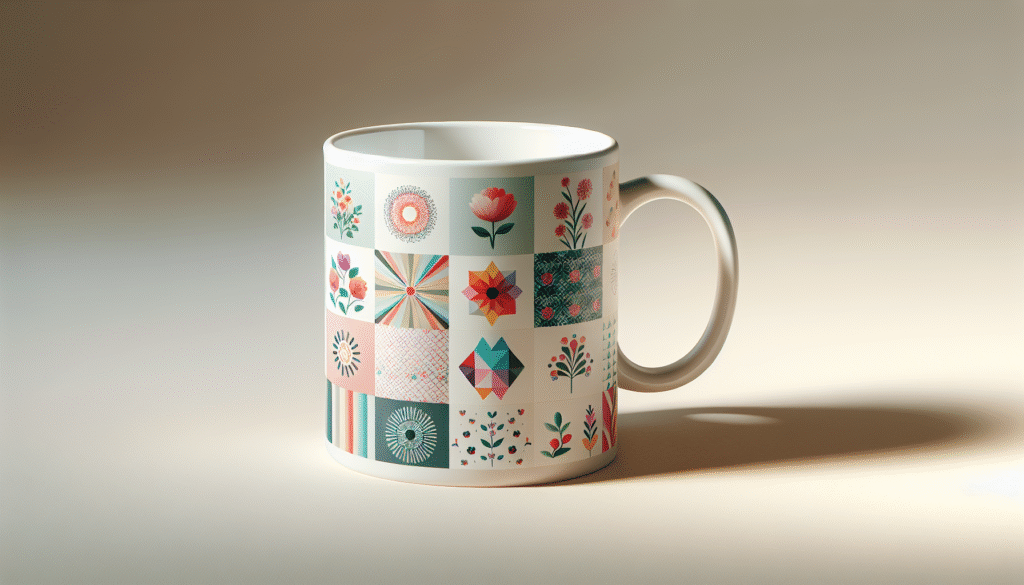
Realistic mockups help clients visualize the final product, while proofs and test prints ensure quality.
Digital mockups
Create mockups using 3D or flat templates so clients can preview wrap placement and scale. Provide front, back, and open-handle views. Use shadows and reflections lightly to make the mockup look realistic.
Proofing and soft proofs
Before printing a batch, send a digital proof with bleed/safe-area markings. For higher fidelity, order a physical sample to check color accuracy, alignment, and feel before fulfilling multiple orders.
Packaging, presentation, and add-ons
How you package a mug affects first impressions and perceived value. Thoughtful packaging also protects the mug during shipping.
Protective and presentable packaging
Use cushioning (bubble wrap, molded kraft pulp) inside a snug box. Consider branded boxes, tissue paper, or a small card with care instructions. For gift orders, offer gift wrap and a printed personalized note.
Gift add-ons
Add-ons increase average order value. Consider matching coasters, spoon/tea packet inserts, or a small box of gourmet coffee. You can also offer loyalty discounts or a discount code for future purchases.
Care instructions and durability tips
Providing clear care instructions reduces returns and ensures the recipient enjoys their mug for longer.
Washing and handling
Recommend hand-washing when possible for longevity, especially for specialty finishes like color-changing coatings or metallic accents. If dishwasher-safe, explicitly state that after confirming with production tests.
Avoiding heat damage
Note whether the mug is microwave-safe and provide guidance—metallic inks and stainless steel travel mugs are not microwave-safe. For enamel mugs, warn against leaving them on an open flame.
Pricing strategy and cost breakdown
You’ll want to price products to cover materials, production, labor, and profit while staying competitive. A transparent breakdown helps you make informed decisions.
| Cost element | What to include |
|---|---|
| Material cost | Blank mug, packaging, cushioning |
| Production cost | Printing, transfers, labor |
| Overhead | Studio rent, equipment amortization |
| Shipping | Average shipping cost and packaging |
| Profit margin | Target percent (e.g., 30-50%) |
How to set final prices
Estimate total cost per mug and add a markup for profit. Factor in batch discounts for bulk runs and seasonal promotions. Consider psychological pricing (e.g., $19.95 vs $20) for consumer appeal.
Selling channels and marketing ideas
Sell where your target audience spends time. Options include marketplaces, social media shops, local markets, corporate gifting programs, and your own website.
Product photography and listing optimization
Take clear photos from multiple angles, including close-ups of key details. Use lifestyle images showing the mug in use. Write descriptive product listings that include dimensions, care instructions, personalization options, and turnaround times.
Marketing promotions and bundles
Offer seasonal collections, limited editions, and bundle deals to boost average order size. Use email marketing for repeat customers and social ad campaigns targeted by interest.
Legal considerations: copyrights and trademarks
Avoid legal trouble by ensuring your designs don’t infringe on copyrighted material or protected trademarks.
Using licensed artwork and fonts
If you use third-party illustrations or fonts, check licenses: commercial-use licenses are necessary for products you’ll sell. For custom requests featuring brand logos or public figures, obtain written permission.
Original art and attribution
If you commission artists, create clear contracts detailing usage rights, royalties, and exclusivity. Keep a record of licenses and invoices for legal protection.
Troubleshooting common printing issues
Knowing how to address common problems saves time and frustration.
Color mismatch
Colors can shift between screens and print. Use test prints, calibrate monitors, and convert color profiles as needed. Ask your print vendor for their preferred color space.
Misalignment and wrap issues
Incorrect template use or low-resolution images can cause misalignment. Double-check bleed settings, safe areas, and that text is within the safe zone.
Poor adhesion or fading
This is often a materials or method issue. Ensure the correct coating for sublimation and use appropriate curing temperatures. Test for dishwasher resistance if the product claims to be dishwasher-safe.
Step-by-step project: from concept to finished mug
Here’s a practical workflow you can follow for any printable mug project.
- Define the recipient and occasion. Choose a design approach (photo, typographic, pattern).
- Select the mug type and printing method that match your idea.
- Download or create a template from your supplier and set up your document at 300 DPI.
- Design within the safe area; include bleed and avoid placing important elements near the handle unless intended.
- Convert color profiles and export high-resolution files in the preferred format.
- Send a proof or print a sample to confirm colors and alignment.
- Order the batch or print your mugs, allow proper curing/drying time if needed.
- Inspect each mug, package carefully, and add any personalized notes or extras.
- Ship with tracking and clear care instructions.
Frequently asked questions (FAQs)
A short FAQ addresses common customer or creator concerns you’ll frequently see.
What is the best mug for photo printing?
White glossy ceramic mugs with sublimation coating give the best photo reproduction and durable results when printed correctly.
Can I design full-wrap images that include the handle?
Full-wrap designs should account for distortion near the handle. Use the vendor template and avoid essential content directly on the handle unless it’s part of the design intent.
Are printable mugs dishwasher-safe?
It depends on the printing method and coating. Properly sublimated mugs are often dishwasher-safe, but specialty finishes or vinyl transfers may require hand-washing.
Resources and templates
Having go-to resources speeds up production and keeps your designs consistent. Many suppliers offer templates and color profiles—use them.
- Template sources: mug manufacturers, print-on-demand platforms, design marketplaces.
- Font and graphic resources: ensure commercial licenses for any assets used.
- Tutorials: manufacturer guides on sublimation or UV printing help you refine your process.
Examples and quick layout concepts
Here are a few quick layout concepts you can reproduce or adapt. Each idea is described in a way that you can map directly onto your template.
- “Photo + Caption” layout: Full-wrap photo with a single-line caption near the handle. Use a semi-transparent bar for legibility if needed.
- “Monogram and Pattern” layout: Large monogram centered, subtle repeat pattern in the background. Use a limited palette for elegance.
- “Quote Wrap” layout: Bold quote across the front and side, small author attribution on the back. Keep generous spacing and large readable type.
- “Calendar Reminder” layout: Grid of dates with a highlighted date (e.g., birthday) and a short note. Ideal for anniversary gifts.
Final tips to make your mugs stand out
Small details can transform a nice mug into a memorable gift.
- Add a small printed card inside the box with a personalized message and care instructions.
- Use consistent branding and packaging to make repeat customers remember you.
- Offer limited-edition runs with numbered certificates for collectors.
- Include personalization options such as font selection or color swaps to increase perceived value.
Creating printable mugs for personalized gifts is both a creative and practical endeavor. By choosing the right materials, matching the printing method to the design, preparing files properly, and adding thoughtful personalization and packaging, you can produce beautiful mugs that become cherished daily-use items. Use the templates and tables provided here to plan efficiently, and test your production process until you’re consistently getting the results you want.