
? What memory, message, or mood do you want your mug to carry each morning?
This image is property of images.unsplash.com.
Personalized Coffee Mugs That Tell Your Story
Personalized coffee mugs are more than vessels for a hot drink — they’re small canvases that reflect your personality, values, and memories. You can turn a simple mug into a statement piece that shares something unique about who you are, what you love, and how you live your life.
Why personalize a mug?
Personalizing a mug makes it meaningful in ways a mass-produced cup cannot be. When you add a name, a phrase, a photo, or a custom illustration, the mug becomes an expression of identity and a daily reminder of what matters to you.
Who benefits from a personalized mug?
You do. Friends, family, colleagues, and customers also benefit when personalized mugs convey thoughtfulness, brand identity, or shared stories. They make excellent gifts, promotional items, and keepsakes.
What kinds of stories can a mug tell?
A mug can tell many kinds of stories: personal milestones, professional identity, travel memories, family connections, hobbies, humor, or causes you support. You choose the theme and visual language, and the mug becomes that narrative on your kitchen shelf.
Personal milestones and memories
Commemorate graduations, weddings, births, anniversaries, and achievements. A date, a photo, or a short phrase can transform a mug into a memory capsule that brings back emotions whenever you sip.
Hobbies, passions, and professions
Showcase your interests like gardening, coding, running, or baking. You can also display professional pride — a witty tagline for teachers, nurses, software developers, or entrepreneurs makes a daily ritual more meaningful.
Humor and personality
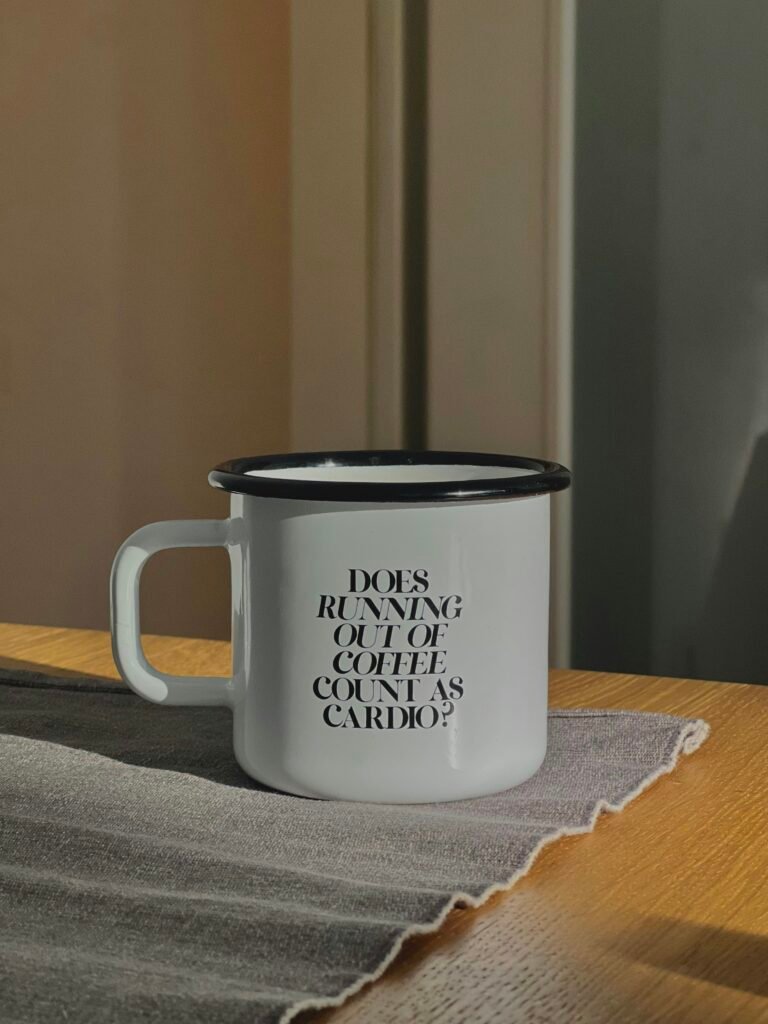
A witty quote or inside joke makes a mug a mood-lifter. Humor on a mug creates connection and can lighten your workspace or your morning routine.
Branding and business storytelling
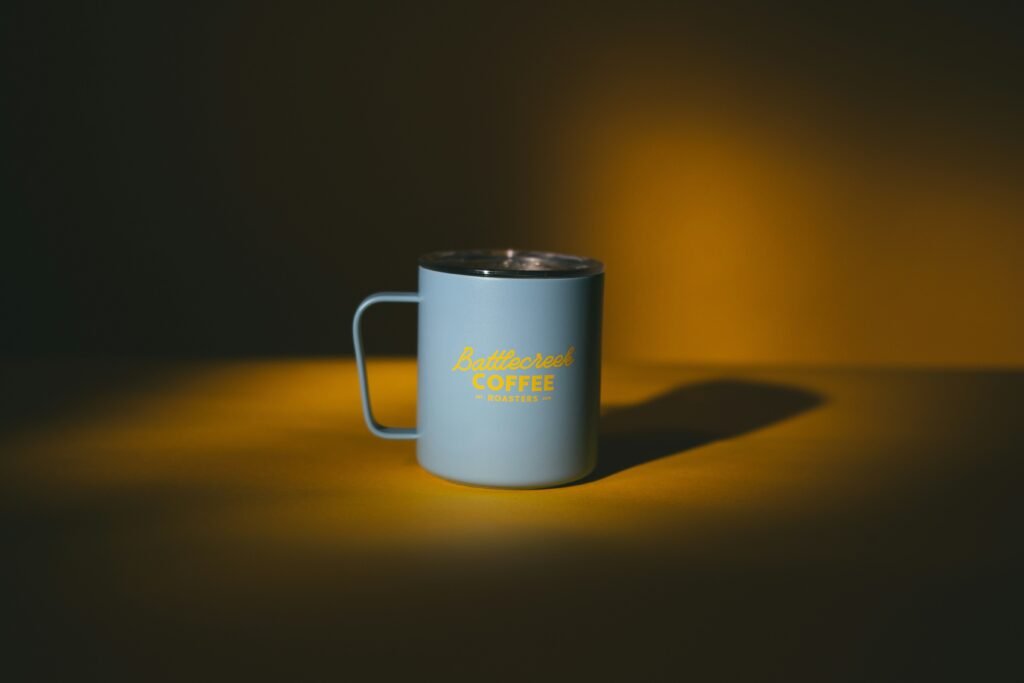
Use mugs to tell your brand’s origin story, values, or mission. Branded mugs can reinforce identity among staff, reward loyal customers, or act as a subtle advertisement in offices and homes.
Materials and why they matter
Choosing the right material affects aesthetics, durability, insulation, and comfort. Each material brings different advantages and limitations; understanding them helps you match the mug to its intended story and use.
Ceramic
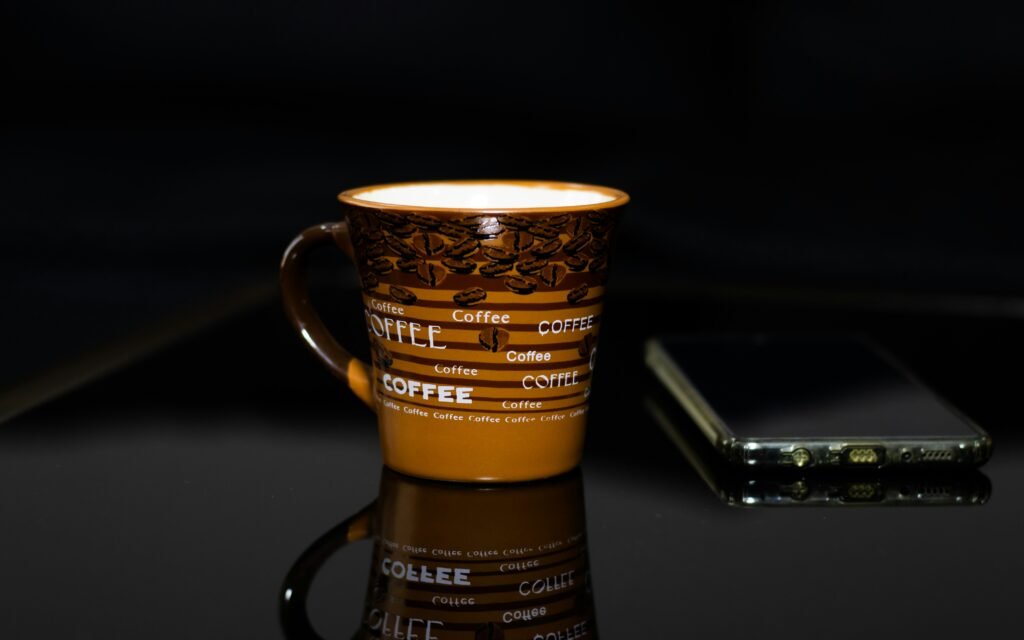
Ceramic is the most common material for personalized mugs. It’s affordable, holds heat well, and provides a smooth surface suited to many printing methods. Ceramic mugs are ideal for everyday use and detailed, colorful designs.
Porcelain
Porcelain offers a more refined look and is thinner and lighter than standard ceramic. It can feel elegant and is great for minimalist or high-end designs. Porcelain typically has a smoother glaze that can enhance print clarity.
Stoneware
Stoneware has a rustic, handcrafted feel and tends to be thicker and heavier. It conveys a cozy, artisanal story ideal for bohemian or farmhouse aesthetics. Some printing techniques work differently on the textured surfaces of stoneware.
Stainless steel
Stainless steel suits travel mugs and thermoses because it’s durable and often insulated. It’s perfect if your story emphasizes mobility, sustainability, or active lifestyles. Printing methods for steel differ from ceramics; laser engraving and sublimation on coated surfaces are common.
Glass
Glass mugs can show off layered drinks and have a modern, transparent aesthetic. They’re less common for personalization but work well with screen printing or decals for minimalist designs.
Eco-friendly materials
Bamboo fiber and recycled plastics are growing in popularity. They express an environmental story and may appeal if sustainability is central to your identity or brand. Keep in mind that print options may be limited on these materials.
Printing and personalization methods
Different printing methods influence cost, durability, and visual quality. Choose the method that matches your design complexity and intended usage.
Dye-sublimation
Dye-sublimation infuses ink into coated surfaces, producing vibrant, full-wrap images that are dishwasher-safe when done correctly. It’s excellent for photo-quality prints and complex graphics on ceramic mugs with a polymer coating.
Screen printing
Screen printing layers ink directly onto the mug surface and is cost-effective for bold, limited-color designs. It’s commonly used for logos and simple color blocks, especially in bulk orders.
Digital printing
Digital (direct-to-surface) printing allows for detailed, multi-color designs without the preparation required for screens. It’s flexible for short runs and proofing custom artworks.
Pad printing
Pad printing transfers ink using a silicone pad and works well on curved surfaces and small details. It’s common for logos and simple designs on promotional mugs.
Laser engraving
Laser engraving etches the surface of metal or coated ceramic for a subtle, tactile design. It’s ideal for stainless steel mugs and creates a durable, professional look.
Decals and hand-painting
Decals can transfer complex art but may require a firing process in a kiln for ceramics. Hand-painting adds a unique, artisanal touch and ensures each mug is one-of-a-kind, though it’s more expensive and less replicable.
Printing method comparison table
| Method | Best for | Color/detail | Durability | Typical materials | Best uses |
|---|---|---|---|---|---|
| Dye-sublimation | Photos, full-wrap | High | High (with proper coating) | Coated ceramic, certain metals | Photo mugs, full-wrap designs |
| Screen printing | Logos, bold colors | Medium | High | Ceramic, porcelain, glass | Bulk orders, simple graphics |
| Digital printing | One-offs, complex art | High | Medium-High | Ceramic, some metals | Short runs, custom art |
| Pad printing | Small details, curved surfaces | Low-Medium | Medium | Ceramic, plastic, metal | Promotional items |
| Laser engraving | Tactile, monochrome designs | Low | Very High | Stainless steel, coated surfaces | Travel mugs, premium gifts |
| Decals/Hand-painting | Artisanal, detailed | Very High | Medium (depends on firing) | Ceramic, porcelain | Limited edition, artisanal pieces |
This image is property of images.unsplash.com.
Design elements that tell your story
Design choices — color, typography, imagery, composition — communicate different aspects of your personality. Thinking deliberately about these elements will help your mug send the right message.
Color psychology
Colors carry emotional and cultural meaning. Choosing a palette intentionally amplifies your story: warm tones can feel cozy and inviting, while cool tones can feel calm and professional. Bright, saturated colors convey energy and creativity.
Typography
Fonts reflect tone. A handwritten script feels personal and intimate, a bold sans-serif feels modern and confident, and a serif can feel classic and intellectual. Use typography to match the voice you want the mug to speak in.
Imagery and symbols
Photos, icons, and illustrations add context. A skyline photo can signify a hometown or travel memory; a plant icon can highlight a love of gardening. Symbols are shorthand for complex ideas and help viewers interpret the story quickly.
Layout and composition
How elements are arranged affects readability and visual balance. Full-wrap designs immerse the viewer in the story, while minimalist single-side prints make a clear, focused statement.
Personal touches
Include names, nicknames, dates, coordinates, or even handwriting for maximum personalization. Handwritten notes or scanned signatures make the mug feel intimately connected to you.
Telling your story through themes and prompts
If you’re unsure where to start, use prompts and themes that guide your creativity. Each prompt becomes a concept that shapes design choices.
Memory prompts
- A quote from a loved one
- A travel photo and the coordinates
- A date and short note about why it matters
These prompts turn the mug into a memory anchor you’ll revisit daily.
Identity prompts
- Your profession with a witty tagline
- An icon representing your hobby
- A nickname in your handwriting
Identity prompts create an object that affirms who you are.
Value and cause prompts
- A phrase supporting a cause
- A logo and mission statement for a small nonprofit
- A statistic or fact to raise awareness
Mugs can be subtle advocates when they carry messages that matter to you.
Gift prompts
- An inside joke for a friend
- A child’s drawing for a parent
- A meaningful quote for a mentor
Gifts made with thoughtful prompts feel personal and intentional.
This image is property of images.unsplash.com.
Practical tips for designing your mug
Designing a mug requires both creative thought and technical preparation. These tips help you avoid common pitfalls and ensure the final product looks great.
Use appropriate resolution
If your design includes photos or detailed art, make sure the images are high-resolution (300 dpi or higher) at the final printed size to avoid pixelation.
Consider wrap vs. single side
Decide whether you want a full-wrap design or a focused single-side print. Full-wrap designs require careful layout to avoid distortion near handles.
Account for color shifts
Printed colors can appear different from on-screen colors. Use CMYK profiles where possible, request color proofs, or order a sample mug to verify color fidelity.
Leave safe margins
Keep important elements away from edges and the handle. Printers often need trim and bleed areas, so keep key text and imagery within a safe zone.
Pay attention to contrast and readability
Make sure text contrasts against the background so it remains legible from a distance. Use larger font sizes for long phrases and simplicity for small prints.
Consider ergonomics and feel
Handle size, rim thickness, and weight influence the user experience. If the mug is for daily use, prioritize comfort and balance.
Caring for your personalized mug
Proper care keeps your mug looking fresh and preserves your story for years. Different materials and print methods require different handling.
Dishwasher and microwave considerations
- Dye-sublimated and high-quality ceramic prints are often dishwasher and microwave safe, but confirm with your supplier.
- Laser-engraved stainless steel may be dishwasher safe but insulated mugs with vacuum seals often shouldn’t go in the dishwasher.
- Hand-painted or decal-applied mugs may require gentle hand washing.
Cleaning tips
Hand wash with mild detergent and avoid abrasive sponges for most personalized mugs. For stainless steel, use a bottle brush for travel mugs and avoid bleach or harsh chemicals.
Storage and long-term preservation
Store mugs upright and avoid stacking painted or decal-applied mugs to prevent scratches. For sentimental mugs, consider displaying them rather than using them daily.

Cost factors and budgeting
Costs vary based on materials, printing method, complexity, run size, and packaging. Understanding these factors helps you budget appropriately.
Single vs. bulk pricing
Per-unit cost decreases significantly with quantity. If you’re purchasing for a wedding party, corporate gifting, or a promotional campaign, bulk orders are more economical.
Material and finish costs
Premium materials like porcelain or insulated stainless steel cost more than standard ceramic. Specialty finishes (matte, metallic, textured) add to the price.
Printing method costs
Complex, full-color processes are pricier than simple screen-printed logos. Hand-painted or handcrafted options are the most expensive.
Sample and setup fees
Some printers charge setup fees for custom screens, color matching, or laser engraving templates. Ask for transparent pricing and any minimum order requirements.
Sourcing and choosing a supplier
Choosing a reliable supplier ensures your story is accurately reproduced and delivered on time. Here’s how to evaluate your options.
Local shops vs. online vendors
Local ceramic studios offer hands-on customization and quicker turnaround for small orders. Online vendors can handle larger runs and offer a wider array of printing methods, but check reviews and sample quality.
Request samples and proofs
Ask for physical samples or printed proofs before committing to a large order. Sampling helps you verify colors, material feel, and print quality.
Check reviews and portfolio
Look for suppliers with a strong portfolio of similar work and positive customer feedback. Pay special attention to their quality control and customer service responsiveness.
Lead times and shipping
Plan for production and shipping times, especially around holidays. Custom orders often take longer than mass-produced items, so order well in advance for events or seasonal promotions.
Sustainable options and ethical considerations
If your story includes sustainability, choose materials, production methods, and packaging that align with those values.
Eco-friendly materials
Choose recycled ceramics, bamboo composites, or stainless steel that reduces single-use cup dependency. These choices show commitment to environmental responsibility.
Low-waste production methods
Some suppliers use low-waste glazing and printing processes. Ask about water usage, chemical handling, and recycling practices in production.
Ethical sourcing and labor
Verify that your supplier adheres to fair labor practices. Artisanal makers and small studios often provide transparency about working conditions and sourcing.
Reusable and functional design
Design for longevity: durable materials, sturdy handles, and repairable parts extend the mug’s lifecycle and reduce waste.
Packaging and presentation
Packaging contributes to the initial impression and protects the mug during shipping. Thoughtful packaging enhances the story you tell.
Protective packaging
Use molded inserts, recyclable filler, or cushioned boxes to prevent breakage. For shipped products, protection is a priority.
Branded packaging
Custom boxes, tissue paper, and tags reinforce the brand story. Branded packaging can be part of the unboxing experience and can carry additional messaging or care instructions.
Gift-ready presentation
If the mug is a gift, include a printed note, a small card explaining the design, or themed wrapping that adds emotional value.
Marketing personalized mugs (for sellers)
If you’re selling personalized mugs, telling your story effectively will attract customers and encourage repeat purchases.
Define your niche
Identify a clear target audience: pet lovers, new parents, startup teams, or eco-conscious consumers. Focused messaging resonates more strongly than a broad approach.
Showcase high-quality photos and mockups
Use lifestyle photography that shows the mug in real settings — a morning kitchen, a desk, a travel scene. Include close-ups of print detail and texture.
Offer customization templates
Provide customers with templates and pre-made design options. Allowing small edits (name, date, color change) reduces friction for buyers while maintaining production efficiency.
Promote limited editions and collaborations
Limited runs with artists or influencers create urgency and add storytelling layers. Collaborations can expand reach and authenticity.
Collect and display testimonials
Customer stories and photos are powerful social proof. Display reviews and user-generated content to show how your mugs become part of people’s lives.
Case studies and examples
Seeing concrete examples helps you imagine how your own mug could look and feel. Here are a few short scenarios to inspire you.
The commuter who collects cities
You create a series of mugs featuring city skylines and coordinates of places you’ve lived. Each morning, you sip coffee while remembering a different chapter of your life. Over time, the set becomes a personal travel archive.
The small business storyteller
A local bakery prints mugs with its founder’s handwriting and a batch number. Customers buy them as keepsakes, and the mugs become walking advertisements in neighborhood cafes.
The gift of a child’s art
You scan your child’s drawing, apply it to a mug, and add the date and age. The result is a tender keepsake that celebrates both creativity and family bonds.
Troubleshooting common issues
Even with the best planning, problems can occur. Here’s how you handle common issues without losing your story.
Color mismatches
Request color proofs, use Pantone or CMYK references, and accept a small sample run to confirm colors. Adjust designs to compensate for glaze or metal color shifts.
Print wear and peeling
Choose appropriate printing methods and coatings for the intended use. For decals, request kiln-firing where possible. For travel mugs, prefer laser engraving or high-quality coatings.
Cracks or breakage in shipping
Work with suppliers that provide robust packaging and insurance. Inspect samples and provide feedback prior to bulk orders.
Design layout problems
Provide vector files for logos and scalable artwork. Use templates supplied by printers to avoid critical elements being cut off by handles or seams.
Frequently asked questions
These quick answers address typical concerns you may have when ordering a personalized mug.
How long does it take to make a personalized mug?
Production times vary from a few days for local hand-painted work to several weeks for large bulk orders and kiln-fired decals. Always confirm lead times and build in extra time for holidays.
Can I put a personalized mug in the microwave?
It depends on material and print method. Ceramics are usually microwave-safe, but metallic ink or metal parts are not. Check manufacturer specs to avoid damage.
What file types do suppliers need?
Vector files (SVG, EPS, AI) are best for logos and illustrations. High-resolution raster files (300 dpi PNG, JPEG, TIFF) work for photos. Ask your supplier for exact specifications.
Are personalized mugs refundable?
Policies vary. Many custom items are non-refundable unless there is a defect. Confirm return and replacement policies before ordering.
Final tips for creating a mug that truly tells your story
Think about how the mug will be used, who will see it, and what emotion you want it to evoke. Combine thoughtful design, appropriate materials, and reliable production to create an object that speaks for you every day.
- Start with a clear theme or prompt to guide decisions.
- Choose materials and printing methods that match usage and longevity goals.
- Test colors and layouts with a sample before ordering large quantities.
- Consider sustainability and packaging as part of your story.
- Use personalization that feels intimate — handwriting, coordinates, or unique illustrations make a stronger connection.
Your mug can be a daily ritual, a conversation starter, a brand ambassador, or a treasured keepsake. By being intentional about design, production, and presentation, you turn an everyday object into a meaningful narrative that travels with you through mornings, meetings, and memories.