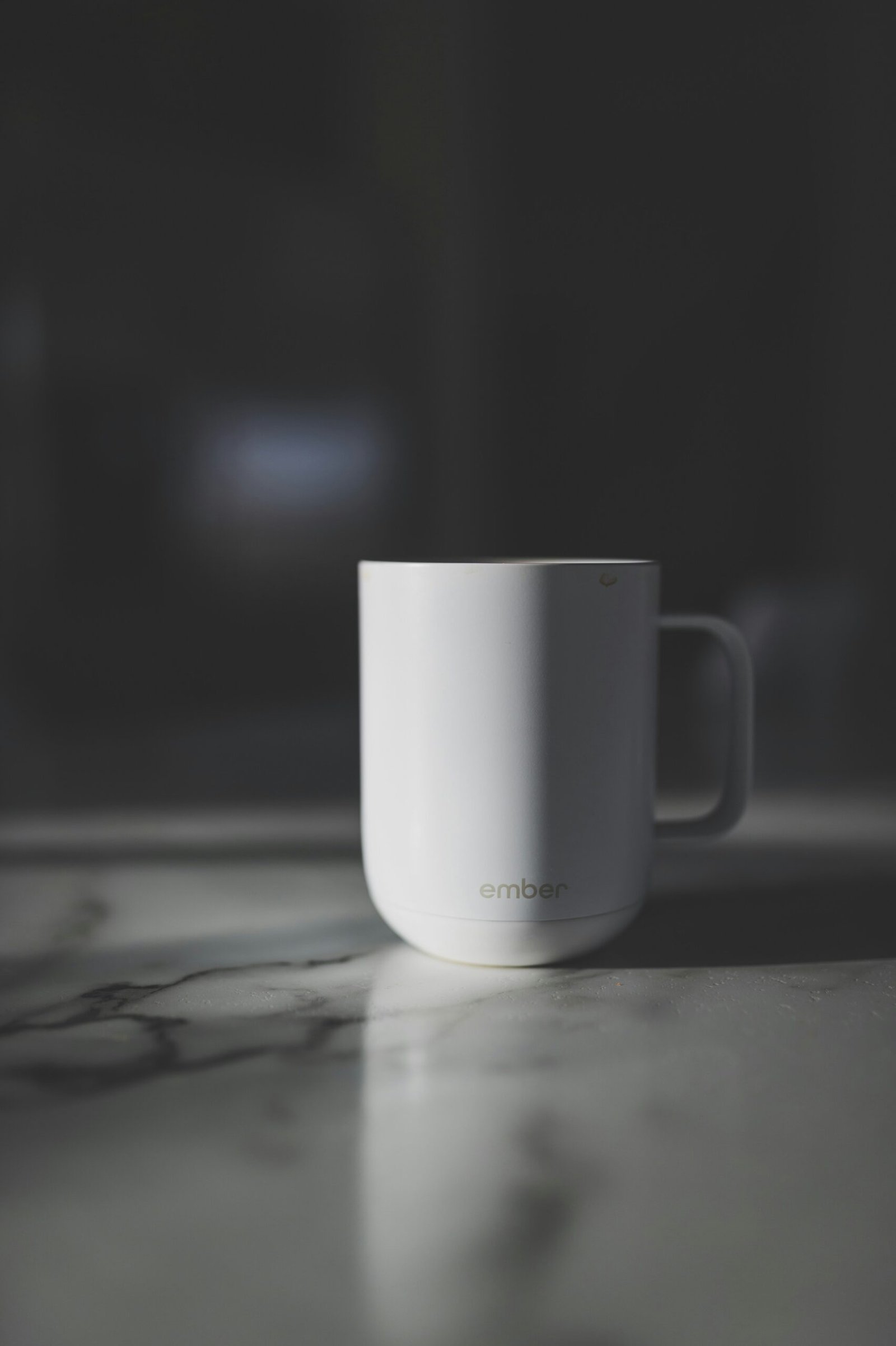
Have you ever noticed how the mug you reach for each morning sets the tone for your day?

This image is property of images.unsplash.com.
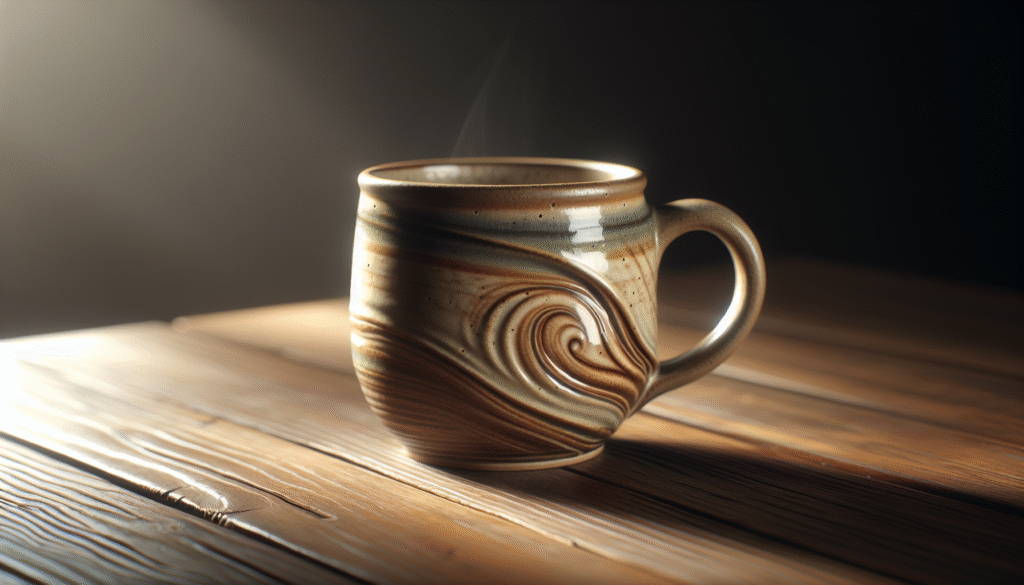
Handcrafted Custom Mugs to Reflect Your Style
Handcrafted custom mugs give you a way to express who you are through something you use every day. They are not just vessels for coffee or tea — they can be tiny works of art, conversation starters, and reliable companions. This article guides you through choosing, commissioning, caring for, and designing a handcrafted mug that truly reflects your style.
Why Choose Handcrafted Custom Mugs?
Choosing a handcrafted custom mug means choosing intentionality. You get a piece that aligns with your aesthetic, functional needs, and values, often made with greater care than mass-produced items.
Artisans typically craft each piece with attention to detail and technique, which translates to durability and character. When you buy handmade, you also support small businesses and ethical production practices more often than not.
Unique Expression and Personal Identity
Your mug can reflect your hobbies, humor, or design preferences in ways a generic cup cannot. Whether you prefer minimalist shapes, bold patterns, or a quirky handle, customization lets your personality become part of your daily ritual.
Design choices like color, typography, and texture work together to tell a story. You can pick a mug that complements your home decor or one that contrasts it for visual interest.
Quality and Longevity
Handcrafted mugs are often made from higher-quality materials and fired with techniques that improve durability. Many artisans test their glazes and forms to ensure the final product performs well in everyday use.
When you invest in a handmade mug, you’re likely to own it longer because it’s better made and cared for during production. Longevity also reduces the environmental impact compared to disposable or cheaply produced alternatives.
Ethical and Sustainable Choices
If sustainability matters to you, handmade mugs usually present better options. Artisans often work in smaller batches, source local clay and glazes, and avoid harmful industrial processes. You also get transparency about materials and production methods.
Some makers use reclaimed materials or low-energy kilns. You can ask your potter about their sourcing and firing practices to match your eco-conscious values.
Types of Handcrafted Mugs and Materials
Mugs come in many materials, each with benefits and trade-offs. Knowing the differences helps you choose a mug that fits your use, aesthetic preference, and care habits.
| Material | Appearance | Durability | Microwave Safe? | Dishwasher Safe? | Typical Price |
|---|---|---|---|---|---|
| Stoneware | Rustic, earthy finishes, thick walls | High; resilient to chips | Often yes, but check glaze | Often yes, artisan dependent | $25–$80 |
| Porcelain | Smooth, refined, often thin-walled | Very durable, chip-resistant | Usually yes | Usually yes | $30–$120 |
| Earthenware | Warm, porous look, often painted | More fragile, glaze protects surface | Sometimes; depends on glaze | Often hand-wash recommended | $20–$60 |
| Glass | Transparent, modern, can be insulated | Fragile unless tempered | Usually yes (borosilicate) | Often yes | $20–$100 |
| Enamel on Metal | Lightweight, vintage look | Durable, chip-prone on rough use | Yes | Hand-wash often recommended | $15–$50 |
| Stainless Steel | Sleek, insulated options | Very durable, long-lasting | Yes (depending on insert) | Usually yes | $30–$150 |
Ceramics: Stoneware, Porcelain, Earthenware
Ceramics are the most common material for handcrafted mugs. Stoneware offers robustness and a cozy aesthetic, while porcelain provides elegance and translucency for thinner-walled cups. Earthenware tends to be more decorative, often used for colorful glazes and folk-art styles.
When you choose ceramic, consider how you habitually use mugs: a thick stoneware mug suits long, slow-sip drinks, while a porcelain mug may feel lighter and more refined for espresso or tea.
Glass
Glass mugs can appear modern and let you admire the drink inside. Borosilicate glass is heat-resistant and a great option for hot drinks. Glass can also be combined with hand-applied patterns, colored glass, or blown details to add handcrafted appeal.
You’ll want to handle glass mugs more gently, but their clarity and feel can be very rewarding.
Enamel and Metal
Enamel mugs have a nostalgic charm and are often chosen for camping or rustic interiors. They’re light, sometimes done with hand-applied decals or painted designs. Metal mugs, especially stainless steel insulated versions, are practical for travel and long heat retention.
Consider enamel if you want a vintage or outdoorsy vibe, and stainless steel if you need rugged thermal performance.
Specialty Materials and Mixed Media
Some artisans combine materials — wood handles, leather sleeves, or mixed clay bodies — to produce unique tactile experiences. These mixed-media pieces can require special care but make a striking personal statement.
If you want a truly unique mug, ask artists if they work with inlays, mixed glazes, or custom add-ons like engraving or embedded accents.
Customization Options and Techniques
Customization ranges from color and form to text and intricate illustration. Understanding the techniques helps you communicate your vision to a maker.
| Technique | What It Looks Like | Durability | Typical Use |
|---|---|---|---|
| Hand-painting | Brush strokes, painterly details | Medium; glazed over for protection | Illustrations, portraits, patterns |
| Glaze layering | Varied surface textures and colors | High after firing | Reactive finishes, ombré effects |
| Slip trailing | Raised lines and tactile patterns | High | Decorative lines, lettering |
| Sgraffito | Carved designs exposing clay body | High | Illustrated scenes, contrast work |
| Decals | Printed transfers, crisp images | High if glazed over properly | Logos, fine text, photographs |
| Laser engraving | Precise, etched marks on metal/wood | Very high | Names, logos, detailed graphics |
Surface Decoration Techniques (hand-painting, glazing, decals)
Hand-painting gives you an artisanal touch and subtle variation that feels personal. Glaze choices determine sheen, color interaction, and mouthfeel. Decals provide precision for logos or intricate designs when you need accuracy and repetition.
Ask whether a design will be underglaze (protected by clear glaze) or on top of glaze (may be more decorative and less durable). Underglaze work typically has better longevity with food safety in mind.
Forming and Shaping Techniques (wheel-thrown, hand-built, slip-cast)
Wheel-thrown mugs often feature graceful curves and small variances that indicate handmade quality. Hand-built mugs let artists create unconventional shapes, textures, and handles. Slip-cast mugs are great for consistency and can be customized afterward with hand decoration.
Choose wheel-thrown for organic feel, hand-built for sculptural pieces, and slip-cast when you need several matching mugs with custom finishes.
Adding Personal Details (names, logos, messages)
Personalization can be subtle — initials on the bottom — or bold like a full-name wraparound. If you want a corporate logo or a branded series, discuss file formats and color matching with the maker. For gifts, a short message, date, or location can add sentimental value without overwhelming the design.
You should confirm how permanent the personalization will be and whether it is microwave/dishwasher safe.
This image is property of images.unsplash.com.
How to Commission a Handcrafted Custom Mug
Commissioning a mug can be a rewarding collaboration. Clear communication and realistic expectations make the process smooth.
Preparing Your Design Brief
Start with a short brief describing your preferred material, size, color palette, imagery, text, and any functional requirements (microwave-safe, insulated, stackable). Include reference images and a rough budget.
A good brief helps the artist give an accurate quote and timeline. Be open to suggestions — artisans often improve your idea with technical know-how.
Choosing an Artist or Studio
Look for artists whose previous work resonates with your style. Read reviews, ask about their process, and request photos of finished pieces. If possible, talk to them directly about materials and firing methods.
Buying directly from makers through their shops, fairs, or social media often gives you the best communication and a more personal work experience.
Pricing Expectations and Lead Times
Custom work takes time and skill. Expect lead times from two weeks to several months depending on complexity and the artist’s schedule. Pricing depends on materials, technique, and labor.
| Complexity Level | Typical Price Range (per mug) | Typical Lead Time |
|---|---|---|
| Simple personalization (name, color) | $25–$60 | 1–3 weeks |
| Moderate customization (custom shape, multiple colors) | $60–$150 | 2–6 weeks |
| High complexity (detailed painting, molded handles, limited run) | $150–$400+ | 4–12 weeks |
Include extra budget for prototypes, if you need them, and shipping costs for fragile items.
Prototyping and Approval
For business orders or very specific designs, ask for a prototype or sample. This step helps you approve size, feel, and color before a full run. Prototypes add time and cost but reduce the risk of unsatisfactory results.
If you’re commissioning a single special piece, many artists will present photographs of stages or a small design sketch for approval.
Designing Mugs That Reflect Your Style
Design begins with how you want to feel when you use the mug and how it fits into your life. Think about scale, shape, and the sensory experience of holding it.
Matching Mug to Your Morning Routine
Consider how you drink: do you prefer a large capacity for long mornings, or a small cup for concentrated espresso? Is your mug often used while walking around the house, in which case a lighter material or a secure handle matters?
If you reheated coffee in a microwave or clean in a dishwasher, make that a priority when choosing materials and glazes.
Choosing Colors, Patterns, and Typography
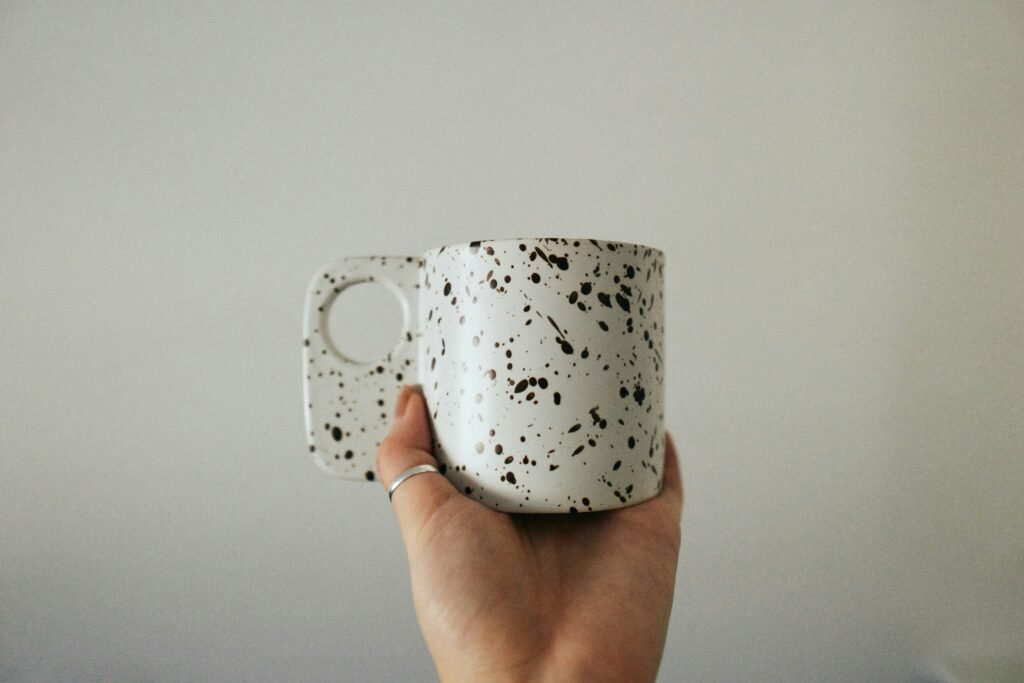
Color influences mood. Warm tones feel comforting; cool tones can be calming. Patterns can be bold or subtle: a full-wrap illustration makes a statement, while a discreet speckled glaze creates understated charm. Typography choices — serif, sans-serif, hand-lettered — also communicate a lot.
If you’re creating a set, maintain a consistent element (color palette, handle shape, or motif) so pieces relate to each other visually.
Personalization Ideas for Gifting and Branding
Gifts can be personalized with messages, inside jokes, or coordinates of a meaningful place. For branding, think about logo size, repeatability, and manufacturing consistency. Consider a limited-edition mark or serialized number for collector appeal.
You can also request coordinating packaging, such as hand-stamped boxes or fabric wraps, to elevate the unboxing experience.
This image is property of images.unsplash.com.
Caring for Your Handcrafted Mug
Proper care extends the life and beauty of your handmade mug. Different materials require different care routines, so always check with the maker first.
Cleaning and Stain Removal
Most ceramic mugs can be washed with warm water and mild dish soap. For stubborn stains (coffee, tea), create a paste of baking soda and water and gently rub the area. For metallic or enamel mugs, avoid abrasive scrubbers that can damage surfaces.
If a mug is labeled dishwasher safe, you can use it, but hand washing often preserves finish and reduces potential glaze crazing.
Repairing Small Chips and Care for Glazes
Small chips can be stabilized with food-safe epoxy for decorative pieces, but for drinking edges, it’s safer to avoid using chipped mugs for hot liquids. Some crazing (fine glaze cracks) is cosmetic and harmless; avoid exposing such pieces to extreme temperature swings that could worsen the condition.
If you’re attached to a damaged mug, ask your artisan about possible restoration or repurposing (planter, pencil holder).
Storage and Temperature Considerations
Avoid sudden temperature changes like pouring boiling liquid into a chilled mug straight from the fridge. Let cups warm gradually or pre-warm them with hot water. For stacked storage, use fabric liners to prevent surface abrasion.
Store in a dry place away from prolonged humidity to prevent mold on any cork or leather components.
Starting Your Own Handcrafted Mug Business
If you want to turn your love of mugs into income, you’ll need to balance creativity with business smarts. Start small, focus on quality, and build a brand that resonates with your audience.
Branding, Pricing, and Packaging
Create a clear brand identity: who is your customer, what aesthetic do you offer, and what story do you tell? Price thoughtfully: account for time, materials, kiln firing, overhead, and shipping. Transparency can justify higher prices if you explain the handmade value.
Packaging should protect fragile goods and reflect your brand. Recyclable materials and minimal waste resonate well with customers who value handcrafted goods.
Marketing Channels and Customer Communication
Use strong product photography and storytelling in your listings. Social media, local markets, and craft fairs are useful for visibility. For online sales, clear product descriptions, size charts, and care instructions reduce returns and increase buyer confidence.
Communicate lead times and customization options clearly. Personalized items require good customer interaction to make the result satisfying.
Managing Production and Scalability
When you receive repeat orders, consider slip casting or small batch molds to maintain consistency while keeping hand-finishing for uniqueness. Outsource certain tasks if needed, but keep quality control strict.
Plan for shipping and returns logistics. Fragile items require reliable packaging solutions and insurance options.
Pricing Guide and Budget Planning
When budgeting for a custom mug, consider these elements: materials, time, artist skill, firing costs, and shipping. Setting realistic expectations helps you avoid sticker shock and ensures artisans are compensated fairly.
| Cost Factor | What It Covers | How It Affects Price |
|---|---|---|
| Clay and glazes | Raw materials | Higher-quality materials increase cost |
| Labor | Shaping, decorating, finishing | Skilled labor raises price proportionally |
| Firing | Kiln time, energy | Multiple firings add to cost |
| Tools and equipment | Wheel, kiln, molds | Upfront costs reflected in pricing |
| Overheads | Studio rent, packaging | Adds to each piece’s price |
| Customization | Design time, prototypes | Custom work increases cost per piece |
Think about whether you value uniqueness more than price. For one-off meaningful pieces, paying a premium for artisanal skills is often worth it.
Frequently Asked Questions
Here are answers to common questions you might have when choosing a handcrafted mug.
Are handmade mugs safe to use for food and drink?
Most contemporary potters use food-safe glazes and proper firing techniques. Ask the maker about their glaze materials and whether they test for lead or other toxins. If an artisan is transparent about materials, you can be confident in safety.
Can I put a handcrafted mug in the microwave or dishwasher?
It depends on materials and glaze. Porcelain and stoneware are often microwave and dishwasher safe, but decorative pieces, decals, or metal details may not be. Always check with the maker and follow their care recommendations.
How long will a handcrafted mug last?
With proper care, a handcrafted mug can last many years — even decades. Durability depends on material, how often you use it, and how you treat it (avoiding drops and thermal shocks).
What should I expect when ordering in bulk for an event or business?
Bulk orders require more planning: lead times, prototypes, and possibly molds for consistency. Expect a higher initial cost for setup but lower per-unit pricing after setup. Discuss quality standards and a payment schedule with the maker.
Can I return a custom-made mug?
Return policies for custom items vary. Because custom mugs are tailored to your request, many makers do not accept returns unless there’s a manufacturing defect. Clarify the return and refund policy before placing an order.
Gifting and Special Occasions
A handcrafted custom mug makes a thoughtful, personal gift for birthdays, weddings, anniversaries, or corporate events. It can be tailored to commemorate a date, location, or special in-joke you share with the recipient.
Include a handwritten note or custom packaging for extra charm. When gifting multiple mugs, consider coordinating designs or packing them in a set that tells a story.
Sustainability and Ethical Considerations
If environmental responsibility matters to you, ask makers about clay sourcing, glaze composition, and energy use in kilns. Many potters adopt lower-impact practices, including reclaimed clay, solar or mixed energy kilns, and minimal waste glazing.
You can also choose secondhand or vintage handmade mugs to reduce demand for new production and celebrate historical craftsmanship.
Troubleshooting Common Issues
If you encounter glaze bubbling, hairline cracks, or small chips, reach out to the maker for advice. Sometimes these issues are purely cosmetic and stable; other times they indicate a problem with firing that the artisan should correct.
For reheating or removing stains, follow earlier cleaning tips and avoid harsh chemicals that could damage finishes.
Final Thoughts
Your mug is more than a container — it’s a tiny daily ritual, a piece of design, and a way to express yourself. When you choose handcrafted custom mugs, you invite intention into your morning routine and support the people who make beautiful objects by hand.
If you’re considering commissioning a piece, prepare your brief, set a realistic timeline, and communicate openly with the maker. With thoughtful design and care, your handcrafted mug can become a cherished part of your day for years to come.