Have you ever wanted a mug that feels like it was made just for you—comfortable in your hands, suited to your ritual, and unlike anything you’d find on a store shelf?

This image is property of images.unsplash.com.
Handmade custom ceramic mugs for unique everyday warmth
Handmade custom ceramic mugs offer a personal touch to your morning coffee, afternoon tea, or evening cocoa. You’ll find that each piece reflects the maker’s hands and your preferences, creating a mug that’s both functional and meaningful.
Why choose handmade over mass-produced
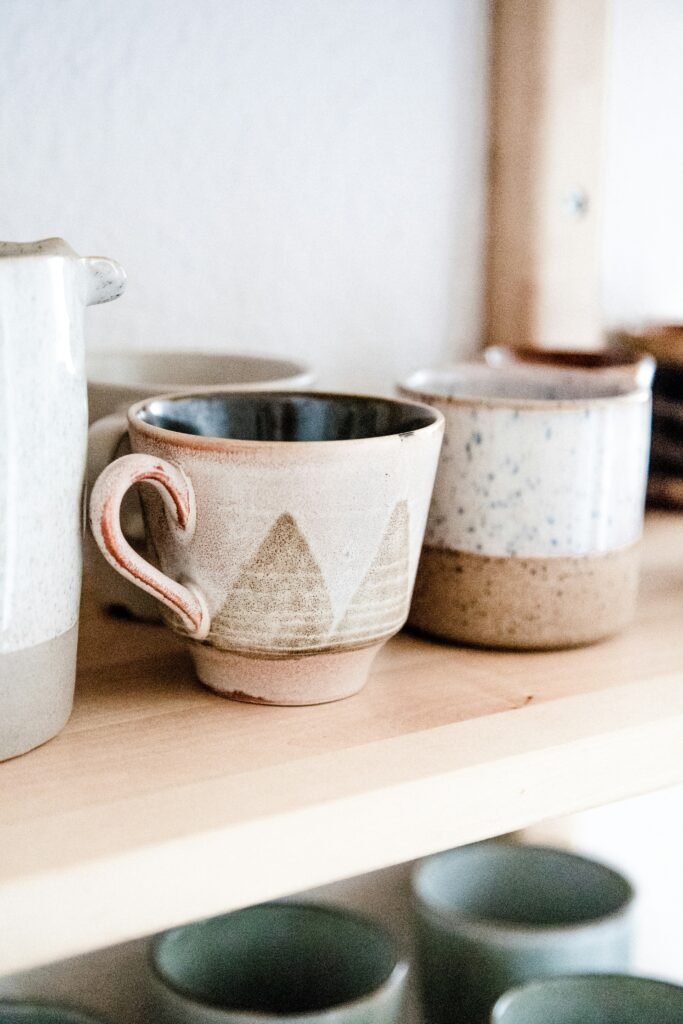
Handmade mugs come with individuality, subtle imperfections, and a story behind every curve and glaze. You get a piece that carries human craft rather than a factory’s uniformity, meaning your mug will often feel warmer and more connected to everyday life.
Benefits of using handmade custom ceramic mugs
You’ll enjoy several advantages when you choose handmade mugs: uniqueness, customization to fit your ergonomics, and the possibility to select materials and finishes that match your lifestyle. Handmade mugs often have better tactile qualities, like a comfortable lip and a balanced handle, which can make each drink more pleasurable.
Emotional and aesthetic value
A handmade mug often doubles as a small piece of art. You’ll likely form an attachment to a mug that reflects your tastes, memories, or a gifted moment. The emotional value increases when the mug features personalization such as initials, a meaningful motif, or a color that evokes a special place.
Functional benefits
Custom makers will craft mugs to your specification for capacity, handle size, weight, and mouth width. You’ll be able to choose dishwasher and microwave-safe glazes, or opt for finishes meant for special beverages like espresso, matcha, or pour-over coffee. These functional tweaks improve daily use and make your drinking rituals more satisfying.
Materials and clay types: choosing what’s right for you
The clay you choose affects weight, texture, durability, and firing temperature. You’ll want to understand basic clay bodies so you can choose a mug that aligns with your preferences and intended use.
Common clay bodies and their properties
- Stoneware: Durable and versatile. You’ll find it ideal for everyday use and a wide range of glazes. It’s typically fired at high temperatures, resulting in good durability and food safety.
- Porcelain: Smooth, slightly translucent, and often lighter. You’ll appreciate porcelain for refined, elegant mugs and for thin-walled work that still feels strong.
- Earthenware: Warmer in tone and often more porous unless properly glazed. You’ll get rustic aesthetics and vibrant glaze responses, but you should verify durability for heavy use.
- Paper clay and grogged clays: These include added materials to change texture or improve the mug’s ability to hold structure during forming. You’ll find grogged clay useful for handbuilding large or sculptural mugs.
How clay affects feel and thermal performance
Dense clays like stoneware and porcelain can retain heat differently. You’ll notice thick-walled mugs keep beverages warmer longer, while thin-walled porcelain cools quicker but feels lighter. If you prefer a long-sipped drink, consider a thicker body; if you want immediacy and a delicate feel, choose thin porcelain.
Glaze types and finishes: color, texture, and safety
Glazes not only determine aesthetics but also food safety, microwave/dishwasher compatibility, and tactile experience. You’ll want to consider both the look and technical quality.
Types of glazes and their impact
- Gloss glazes: Shiny and vibrant, easy to clean. You’ll see color depth and reflections, but finger oils show more easily.
- Satin or matte glazes: Softer visual effect and pleasant to touch. You’ll enjoy a subtle finish, but some mattes can be more sensitive to scratching.
- Reactive glazes: Create variegated, unexpected results. You’ll get one-of-a-kind surfaces, which is great if you value uniqueness.
- Underglaze and overglaze decoration: Underglazes allow precise motifs under a clear glaze, and overglazes are used for decals or lusters. You’ll choose these for personalization and fine detail.
Safety considerations for glazes
You’ll want glazes that are labeled food safe and lead-free. Confirm with your maker that the glaze has been tested for leachables, especially if the mug contains metallic or crystalline effects. If you use acidic beverages regularly, ensure the glaze is stable under such conditions.
This image is property of images.unsplash.com.
Making process: how a handmade custom mug is created
Understanding production helps you appreciate the craft and set realistic expectations for time and cost. You’ll also know what customization options are feasible.
Overview of main forming methods
There are three primary ways artisans make mugs: wheel-throwing, handbuilding, and slip casting. Each method has its pros and cons and influences the final look and minimum order size.
- Wheel-thrown: The potter shapes clay on a spinning wheel. You’ll get graceful, slightly asymmetrical forms that celebrate the maker’s hand.
- Handbuilt: Techniques like coiling, slab-building, or pinching allow sculptural and ergonomic designs. You’ll see unique forms that can’t be replicated exactly.
- Slip casting: Liquid clay is poured into plaster molds. You’ll find this useful for consistent shapes and larger runs while still allowing surface customization.
Step-by-step breakdown (typical wheel-thrown mug)
Below is a simplified timeline for a wheel-thrown custom mug.
| Stage | What happens | Approximate time |
|---|---|---|
| Design consultation | You and the maker agree on size, handle style, glaze, and personalization | 1–7 days |
| Throwing/forming | Potter shapes the mug and sets it to leather-hard | Same day |
| Handle attachment | Handle is pulled and attached with scoring and slip | Same day |
| Drying and trimming | Mug dries to bone-dry; rim trimmed and foot refined | 2–7 days (depending on climate) |
| Bisque firing | First kiln firing to harden the clay | 1–2 days for firing + cooldown |
| Glazing | Glaze applied by dipping, brushing, or spraying | 1 day |
| Glaze firing | Final firing to melt the glaze and finalize the surface | 1–3 days for firing + cooldown |
| Quality check & personalization | Maker checks fit, may add decals/inscriptions and finish | 1–3 days |
| Shipping | Pack and ship to you | Depends on location |
You’ll notice that a custom order often spans multiple weeks, particularly if the maker has a backlog or if the work requires multiple firings.
Customization options you can request
When ordering, you’ll be able to make many choices that affect function and character. Customization creates a mug that’s tailored to your rituals and preferences.
Common choices and examples
- Capacity: Choose small (6–8 oz), medium (10–12 oz), or large (14–16+ oz) depending on your typical beverage.
- Handle style: Loop, candy-cane, thumb rest, or sculptural handles that fit your grip.
- Lip thickness: Thin rim for delicate sipping or rounded lip for comfort.
- Glaze color and finish: Solid, reactive, layered, or textured finishes.
- Personalized text or imagery: Names, dates, quotes, or hand-painted illustrations.
- Special features: Double-walled ceramics for insulation, integrated saucers, or built-in infusers (for tea).
- Kiln posting: Request small adjustments like a matte interior for hot chocolate or a particular glaze on the inside and another outside.
Customization options at a glance
| Customization | What it affects | Typical cost impact |
|---|---|---|
| Capacity change | Volume and weight | Low |
| Handle types | Grip comfort and aesthetics | Low–medium |
| Special glazes (reactive, luster) | Visual complexity and kiln care | Medium–high |
| Hand-painted or illustrated designs | Uniqueness and time | Medium–high |
| Personal inscriptions or decals | Sentimentality and time | Low–medium |
| Double-walled or insulating design | Thermal performance and complexity | High |
| Bulk customization | Unit cost and lead time | Lower per piece, longer lead time |
You’ll want to balance your desire for special effects against cost and timeline.
This image is property of images.unsplash.com.
Size, ergonomics, and what to measure before ordering
To get a mug that truly fits you, you’ll want to provide accurate measurements and detail how you hold your cup. This ensures the maker crafts something ergonomically right for you.
Basic measurements to decide
- Volume in ounces or milliliters: Match to your typical beverage size.
- Height and diameter: For cup holders or shelf fits.
- Handle clearance: Distance from cup body to inner curve of handle—important if you have large fingers.
- Lip width and rim thickness: Affects how the mug feels when you sip.
Sample sizing guide
| Size label | Volume (oz) | Approx. height (in) | Typical use |
|---|---|---|---|
| Small | 6–8 oz | 2.5–3.5 in | Espresso, cortado, small tea |
| Medium | 10–12 oz | 3.5–4.5 in | Standard coffee/tea |
| Large | 14–16 oz | 4.5–5.5 in | Lattes, long coffees, soups |
You’ll find that these are starting points; ask your maker for mockups or to show examples of similar sizes before production.
Thermal performance and safety: what to expect
Ceramic is an excellent material for hot beverages, but performance depends on wall thickness, glaze, and construction. You’ll want to know what your mug can handle.
Heat retention and wall thickness
Thicker-walled mugs naturally retain heat longer, but they’re heavier. If you prefer to sip slowly, you’ll likely want a thicker body. If you frequently drink at a faster pace or prefer a lightweight cup, choose thinner porcelain.
Microwave and dishwasher safety
Many handmade mugs are microwave and dishwasher safe, but you should confirm with the maker. Metallic glazes or lusters are not microwave-safe. Dishwasher-safe glazes require proper melting and vitrification in the firing; always ask for explicit confirmation.
Lead and heavy-metal safety
Ensure the maker uses certified lead-free glazes. You’ll also want to avoid mugs where testing isn’t available, particularly if they contain bright crystalline or metallic finishes. If you’re buying for children or pregnant individuals, prioritize verified safety.

Care and maintenance for longevity
Proper care will keep your mug looking and performing well for years. You’ll appreciate easy maintenance instructions and know how to treat delicate finishes.
Basic care tips
- First wash: Wash gently in warm, soapy water before first use to remove kiln dust.
- Dishwasher: Use only if the maker guarantees dishwasher safety; otherwise, hand wash.
- Avoid thermal shock: Don’t pour boiling liquid into a cold mug or place a hot mug into cold water or an icebox quickly.
- Stains: Use baking soda paste to remove stubborn coffee or tea stains without scratching the glaze.
Handling special finishes
- Matte glazes: These often hide marks but can be more porous; clean gently.
- Metallic lusters: Hand wash only and avoid microwaves.
- Underglaze art: Usually protected by a clear glaze, but still treat gently.
Pricing, lead times, and commissions
Custom handmade work takes time, materials, and skill, all of which factor into cost. You’ll want to know what affects price and how to secure a commission.
Factors that influence price
- Complexity of design: Sculptural handles, intricate painted motifs, or multiple glazes raise cost.
- Materials: Porcelain or special clays can be more expensive.
- Time: Hand-painting and multiple firings increase labor.
- Batch size: Single custom pieces cost more per unit than a small series.
- Shipping and packing: Fragile ceramics require careful packaging, which you’ll often cover.
Typical price ranges
- Simple custom mug: $30–$60
- Hand-painted or illustrated custom mug: $60–$120
- Sculptural or specialty insulated mug: $120–$300+
- Small production runs or sets: Cost per piece drops with volume
You’ll notice lead times can be a few weeks to a few months depending on the maker’s workload, so plan ahead for gifts or events.

Ordering process: how to commission your mug
A clear ordering process helps you get what you want without surprises. You’ll be more confident if the maker provides mockups, progress photos, and a clear contract.
Steps to place a custom order
- Consultation: Share your vision, measurements, and budget with the maker.
- Sketch or mockup: Maker provides basic sketches or images of similar work.
- Agreement & deposit: Confirm price, timeline, and any revisions; a deposit often secures the slot.
- Production updates: Ask for photos at key milestones (throwing, glazing).
- Final approval and shipping: Maker confirms the finished piece and ships with tracking.
Questions to ask your maker
- Is the glaze tested and food-safe?
- Will the mug be microwave/dishwasher safe?
- Can you see images of comparable finished work?
- What is the refund or replacement policy for breakage in transit?
- How will the mug be packed for shipping?
You’ll feel more secure when these points are clarified up front.
Sustainability and ethical considerations
You may care about materials, studio practices, and maker livelihoods. You’ll find many potters emphasize sustainable and ethical approaches.
Sustainable practices to look for
- Locally sourced clay and glazes to reduce shipping impact.
- Recycled or reclaimed clay for some production.
- Energy-efficient kilns or shared studio spaces to reduce carbon footprint.
- Minimal or recyclable packaging for shipping.
Supporting makers and ethical labor
When you order custom ceramics, you’re supporting a craftsperson. You’ll be helping maintain artisanal skills, and paying a fair price helps sustain small studios. Look for transparent pricing and makers who discuss their process openly.
Gifting, personalization ideas, and occasions
Custom mugs make thoughtful gifts for many occasions. You’ll be able to tailor design and text to the recipient’s tastes and the event.
Personalization ideas by occasion
- Birthdays: Add birthdate, favorite color palette, or a personal motto.
- Weddings: Create a pair of mugs with complementary designs or initials, perfect for toasting morning coffee together.
- Anniversaries: Include a subtle engraving with a meaningful date or coordinates of a special place.
- Corporate gifts: Subtle logos or color schemes can make tasteful, useful items for clients or employees.
- Holidays: Seasonal motifs, warm colors, or a custom phrase add a cozy touch.
Creative motifs and techniques
- Hand-painted portraits or pet illustrations for a standout gift.
- Textured surfaces with pressed botanicals or patterns that feel good to touch.
- Hidden messages on the bottom or inside the mug for a secret surprise.
- Color-changing glazes that reveal an image when hot beverage is poured.
You’ll find that a personalized mug often becomes a daily reminder of the giver and the moment.
Bulk orders and business branding
If you’re buying for an event, café, or corporate gifting, bulk custom ceramics are feasible but require planning. You’ll need to consider mold-making, consistent glaze batches, and lead time.
Things to discuss for bulk orders
- Minimum order quantity: Makers using molds may have minimums to justify tooling.
- Consistency standards: How the maker ensures uniform sizes and colors.
- Cost per unit and discounts for volume.
- Timeline: Allow additional time for testing glazes and approvals.
- Packaging and labeling: Branded boxes or bulk packing options.
You’ll often get lower per-unit pricing if you can be flexible on timing and accept small variations inherent in handmade goods.
How to choose the right maker for your custom mug
Choosing the right maker is as important as choosing the mug design. You’ll want someone whose aesthetic and process align with your expectations.
Criteria to consider
- Portfolio: Review past work to see consistency and variety.
- Communication: A good maker answers questions and provides clear timelines.
- Reviews and references: Look for feedback from past customers.
- Transparency: Makers who explain materials, safety testing, and pricing earn more trust.
- Fit with your budget: Ensure you and the maker agree on a feasible scope.
Red flags to avoid
- No clear food-safety information for glazes.
- Inconsistent photos or no real examples of finished work.
- Vague timelines and refusal to provide progress photos.
- Unwillingness to answer basic questions about firing temperatures or material sources.
You’ll feel more confident if these areas are clearly addressed before you place an order.
Common myths and realities about handmade ceramics
There are misconceptions about handmade mugs that can affect expectations. You’ll benefit from separating myth from fact.
Myth: Handmade equals fragile
Reality: A well-made stoneware or porcelain mug is often more durable than cheap mass-produced ceramics. Proper clay selection and firing create sturdy pieces meant for everyday use.
Myth: Handmade is always more expensive for no reason
Reality: Prices reflect materials, time, and skill. When you buy handmade, you’re paying for an artisan’s labor, their kiln time, quality control, and often small-batch materials.
Myth: All handmade mugs are microwave-safe
Reality: Not necessarily. Some decorative glazes, lusters, or metallic elements aren’t microwave-compatible. Always confirm.
You’ll avoid disappointment by asking makers for specifics.
Frequently Asked Questions (FAQ)
Below are answers to common questions you might have as a buyer or someone commissioning a custom mug.
How long will my custom mug take?
Production typically takes 2–8 weeks depending on complexity and the maker’s backlog. Rush orders may be possible for an additional fee. You’ll want to plan ahead for gifts or events.
Can I get exactly the color I want?
Makers can often match colors closely but ceramics involve chemistry: glaze colors vary with firing temperatures and kiln atmosphere. You’ll get closer matches if you provide example photos and agree on reasonable expectations.
What happens if my mug arrives broken?
A reputable maker will have a breakage policy and should offer a replacement or refund, especially if the item was insured and properly packaged. You’ll want to keep packaging until you confirm the item arrived intact.
Can I use a handmade mug for cold drinks?
Yes. Most handmade mugs handle cold beverages well. If the mug is double-walled, check manufacturer guidance on cold-temperature use.
Are custom mugs worth the price?
If you value uniqueness, craftsmanship, and a personalized daily object, custom mugs are often worth the investment. You’ll be getting an item made specifically for you, often with better ergonomics and aesthetic quality.
Final tips for commissioning and owning your custom mug
Small choices affect comfort and longevity. You’ll appreciate the results if you communicate clearly and care for the piece appropriately.
- Communicate specifics: Share photos, measurements, and use cases with the maker.
- Ask about testing: Request confirmation that glazes are food-safe and microwave/dishwasher tested if those features are important.
- Consider a pair: If you’re gifting, ordering two similar pieces can be useful and may reduce per-unit cost.
- Keep a record: Note the maker’s firing temperatures, glaze names, and care suggestions for future reference.
- Support the process: Understand that handmade means small variations; these are often part of the charm.
You’ll likely find that a custom ceramic mug becomes one of your favorite everyday items—combining warmth, practicality, and personal expression.
Conclusion
Choosing a handmade custom ceramic mug means investing in something made for you, shaped by hands, and finished with personality. You’ll get a functional object that also carries a story—perfect for making everyday warm, thoughtful moments. Whether you’re ordering a single personalized cup or creating a set for special occasions, clear communication with your maker and an understanding of materials and processes will help you get a mug you’ll use and cherish for years.