
Have you ever thought about how a simple mug could become one of your most effective brand ambassadors?
Elevate Your Brand with custom made mugs
Custom made mugs are more than just vessels for coffee or tea; they’re portable billboards, gifts, and memorable keepsakes that help your brand stay top of mind. You can use them to make an immediate visual impression, reinforce brand identity, and create emotional connections with customers, employees, and partners.
Why choose custom made mugs for branding?
You want marketing tools that are affordable, practical, and long-lasting. Custom mugs check all those boxes. They’re used daily, seen often, and easily customized to reflect your visual identity and messaging. When you hand someone a high-quality mug with your brand thoughtfully displayed, you’re giving them a functional item and a reminder of your business each time they use it.
How mugs create brand recall
Each time someone sips from a mug with your logo, they reinforce memory traces associated with your brand. Repeated exposure builds familiarity, trust, and recognition—three pillars of effective branding. If your mug design tells a story or is visually striking, you increase the likelihood that people will share photos on social media, extending your reach organically.
Understanding the benefits of custom made mugs
You want tangible benefits from your branding investments. Custom mugs deliver utility, visibility, and emotional resonance. Below are key advantages to consider.
Practicality and daily use
Mugs are used in homes, offices, and on social media. Their everyday presence means your logo or message gets repeated impressions without recurring ad spend. You’re effectively creating a long-term advertising asset that performs for months or years.
Cost-effectiveness
Compared with digital ads or event sponsorships, mugs offer a low cost-per-impression. You pay once to produce a physical item that continues to deliver impressions each time someone uses it. For bulk orders, unit prices often drop substantially, improving ROI.
High perceived value and gifting potential
You can use custom mugs as premium corporate gifts, client thank-yous, employee rewards, or promotional giveaways. A well-designed mug can raise perceived value of your brand and foster positive associations, especially when paired with attractive packaging.
Versatility for campaigns and merchandise
Mugs work in multiple contexts: promotional campaigns, limited-edition merchandise, subscription box add-ons, event swag, or retail products. You can adapt designs for seasonal campaigns, product launches, or brand milestones, giving you flexibility in how you integrate mugs into your marketing mix.

This image is property of images.pexels.com.
Choosing the right mug style and material
Selecting the proper style and material affects aesthetics, durability, and user experience. You should match the mug type to your brand image and intended use.
Ceramic mugs
Ceramic mugs are classic, durable, and offer excellent print quality. You’ll find many shapes and sizes, and they tend to feel substantial in the hand—conveying quality. Ceramic is ideal for office giveaways, retail merchandise, and premium gifting.
Porcelain mugs
Porcelain is lighter and often more refined in appearance. If your brand is elegant or upscale, porcelain can reinforce that image. It’s less common for mass giveaways due to cost, but it makes sense for VIP gifts or limited editions.
Stoneware
Stoneware has a handcrafted, rustic feel that works well for brands emphasizing authenticity, craftsmanship, or organic values. Its texture and glaze variations can make each mug feel unique.
Stainless steel and insulated mugs
Stainless steel or vacuum-insulated travel mugs keep beverages hot or cold for hours, perfect for commuters and outdoor events. If your audience values function and mobility, these are excellent for trade shows, outdoor promotions, and employee gear.
Glass mugs
Glass offers a modern, clean look and showcases the beverage inside. It suits cafes, beverage brands, and minimalist aesthetics. Be mindful that glass can be fragile, so consider target use.
Eco-friendly materials
You can choose bamboo fiber blends or recycled materials if sustainability is central to your brand. Eco-conscious customers will appreciate a focus on responsible materials and manufacturing.
Printing and decoration methods
How you print your design affects look, durability, and cost. Understanding methods helps you choose what aligns with your goals.
Screen printing
Screen printing is ideal for bold, simple designs and large quantities. It’s cost-effective for single or few-color logos, and delivers strong, opaque colors. However, it’s less practical for very detailed or photographic designs.
Pad printing
Pad printing works well for curved surfaces and small logo placements. It’s suitable for limited-color logos and is commonly used for promotional items.
Sublimation printing
Sublimation is perfect for full-color, photo-quality prints. The process embeds ink into the mug coating, giving a durable, dishwasher-friendly finish. It’s commonly used for ceramic mugs with complex graphics.
Digital printing
Digital printing allows for detailed images and short runs without setup costs associated with screen printing. It’s good for on-demand personalization and variable data printing.
Laser engraving
Laser engraving is typically used on stainless steel or coated mugs. It gives a subtle, permanent mark that’s ideal for minimalist branding or when you want an embossed feel. It’s not suitable for full-color images.
Hand-painting and artisanal techniques
If you want a truly handcrafted look, hand-painting or artisan glazing can make a statement. These techniques are higher-cost and better suited for small-batch, premium merchandise.

This image is property of images.pexels.com.
Design best practices for maximum impact
Design choices determine whether your mug is noticed, remembered, and shared. You should aim for clarity, legibility, and a design that aligns with your brand personality.
Keep designs simple and bold
Small, intricate details can get lost on a mug, especially at a distance. Focus on clear shapes, bold fonts, and strong color contrasts. Your logo should be immediately recognizable.
Consider color psychology
Colors evoke emotions. Choose hues that support your brand message—blue for trust, green for sustainability, red for energy, etc. Maintain color consistency with your broader brand palette for cohesive recognition.
Optimize for different surface areas
Decide whether your design will wrap around the mug, occupy one side, or appear inside the mug rim. Consider how images look when someone drinks—what appears to them versus what’s visible to others.
Use typography carefully
Select fonts that are legible at small sizes. Avoid overly decorative fonts for primary messaging. If you include a tagline, keep it short.
Add functional touches
Consider adding measurement marks, fun quotes inside the mug, or a heat-sensitive color-change element. These features increase engagement and shareability.
Branding strategies using custom made mugs
Mugs can support multiple strategic goals. Choose approaches that fit your objectives—awareness, loyalty, lead generation, or revenue.
Promotional giveaways to increase reach
Use mugs as giveaways at events, sign-up promotions, or social media contests. You’ll generate goodwill and drive impressions. If you require a call-to-action (like signing up for a newsletter), you can capture leads while distributing a physical item.
Customer appreciation gifts to boost loyalty
Sending a mug as a thank-you to loyal customers or clients strengthens relationships. Personalized messages, names, or anniversary dates add warmth and increase retention.
Employee recognition and culture building
Providing branded mugs to employees reinforces identity and creates daily brand touchpoints. Consider custom designs for teams or recognition programs to build morale.
Retail or e-commerce merchandise lines
You can sell branded mugs as part of a merchandise line. Limited-edition runs, collaborations, or seasonal designs create urgency and additional revenue streams.
Event and conference swag
High-quality mugs stand out among typical event swag. If you sponsor events, choosing an elevated mug design can leave a more lasting impression than generic items.

This image is property of images.pexels.com.
Production planning and cost considerations
You’ll want to balance quality, budget, and timeline. Understanding pricing factors helps you plan efficiently.
Unit cost vs. quantity
Bulk orders typically reduce unit cost due to economies of scale. Small runs cost more per piece because of setup, printing plates, and labor. Decide on quantities based on campaign scope and storage capabilities.
Artwork setup and proofs
Most suppliers charge for artwork setup or provide it as part of a package. Always request a digital proof and, when possible, a physical sample before approving large runs. This minimizes surprises.
Minimum order quantities (MOQs)
Different manufacturers have different MOQs. Screen printing often has higher MOQs, while digital or sublimation printing allows for smaller runs. Know your needs before selecting a supplier.
Packaging and fulfillment
Consider whether you’ll require custom packaging, which increases cost but improves presentation. Also plan for warehousing, pick-and-pack services, and shipping costs if you distribute widely.
Shipping and taxes
Mugs are breakable and may need protective packaging that increases weight and dimensional shipping charges. Factor in shipping insurance and potential import/export duties if you source internationally.
Sample cost and lead time table
| Item | Typical Cost Range | Typical Lead Time |
|---|---|---|
| Single prototype sample | $5–$30 | 3–10 days |
| Small batch (25–100) | $4–$12 per unit | 7–21 days |
| Medium batch (100–1,000) | $2–$8 per unit | 2–6 weeks |
| Large batch (1,000+) | $1–$5 per unit | 3–8 weeks |
Use this as a rough guide; actual prices vary by supplier, printing method, and customization.
Sustainability and ethical sourcing
Sustainability matters to many customers. You can align your mug program with responsible practices that reflect your values.
Choose eco-friendly materials and packaging
Opt for recycled materials, compostable packaging, or reusable shipping materials. Eco-friendly mugs might use bamboo or recycled glass alternatives.
Transparent supply chain and fair labor
Work with suppliers who provide transparency about manufacturing practices and labor conditions. Certification or supplier audits can support ethical claims.
Offset carbon footprint
If you’re shipping internationally or running large campaigns, consider purchasing carbon offsets or choosing shipping partners committed to lower emissions.
Communicate sustainability clearly
If sustainability is a selling point, communicate it on your product page or packaging. Customers appreciate knowing how their purchase aligns with environmental values.
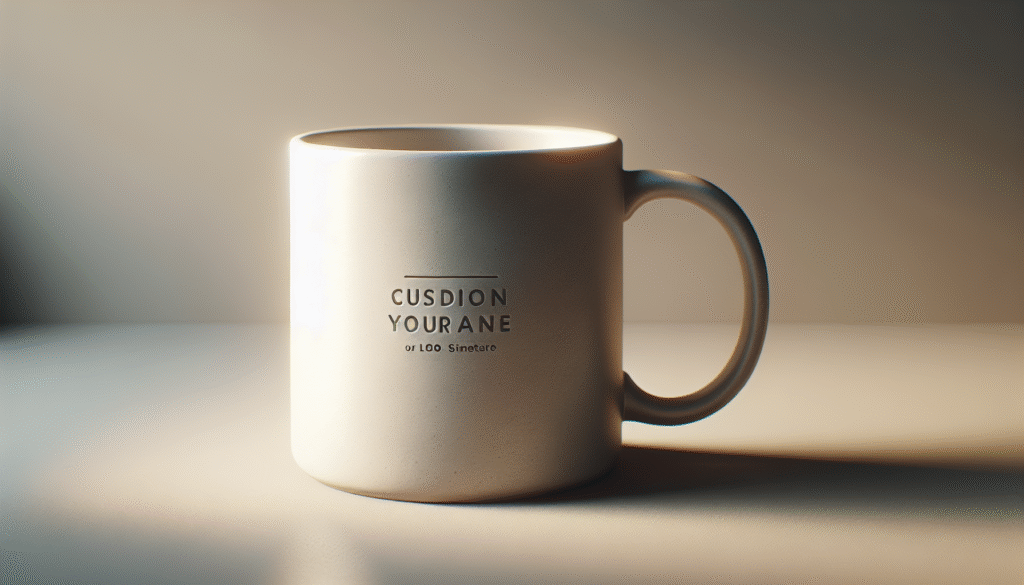
Measuring ROI and campaign effectiveness
You need to track results so you can optimize future campaigns. Mugs offer measurable outcomes beyond tactile goodwill.
Metrics to track
- Redemption rate for promotional offers (e.g., sign-ups to receive a mug)
- Website traffic linked to mug campaigns (use unique landing pages or promo codes)
- Social media engagement and user-generated content (UGC)
- Customer retention rates for recipients versus control groups
- Sales lift from branded merchandise
Use unique codes and landing pages
Add unique promo codes or QR codes to the mug design or packaging to measure conversions. You can attribute new sign-ups and purchases to each batch.
Survey recipients
Short follow-up surveys can gauge satisfaction and recall. Ask recipients how they use the mug and whether it changed their perception of your brand.
Compare cost-per-impression (CPI)
Estimate CPI by dividing total campaign cost by projected impressions (daily use multiplied by days in circulation). Compare CPI across different marketing channels to evaluate efficiency.
Distribution and fulfillment options
You’ll decide whether to handle fulfillment internally or use third-party services. Each has trade-offs.
In-house fulfillment
Managing orders internally gives you control over packaging and brand experience. You’ll need space, staff, and processes for warehousing, packing, and shipping. It may be ideal for small to medium campaigns.
Third-party logistics (3PL)
A 3PL can handle storage, pick-and-pack, and shipping at scale. This is efficient for large campaigns or ongoing merchandise sales. You’ll pay fees but reduce operational overhead.
Print-on-demand suppliers
Print-on-demand services let you offer personalized mugs with no inventory. They’re great for e-commerce stores and larger catalogs where you want flexibility. Be aware of higher per-unit costs and variable fulfillment times.
Event distribution
For events, coordinate with event organizers for on-site pickup or handouts. You can pre-pack swag bags or offer mug redemption booths. Plan logistics carefully to avoid delays or breakage.
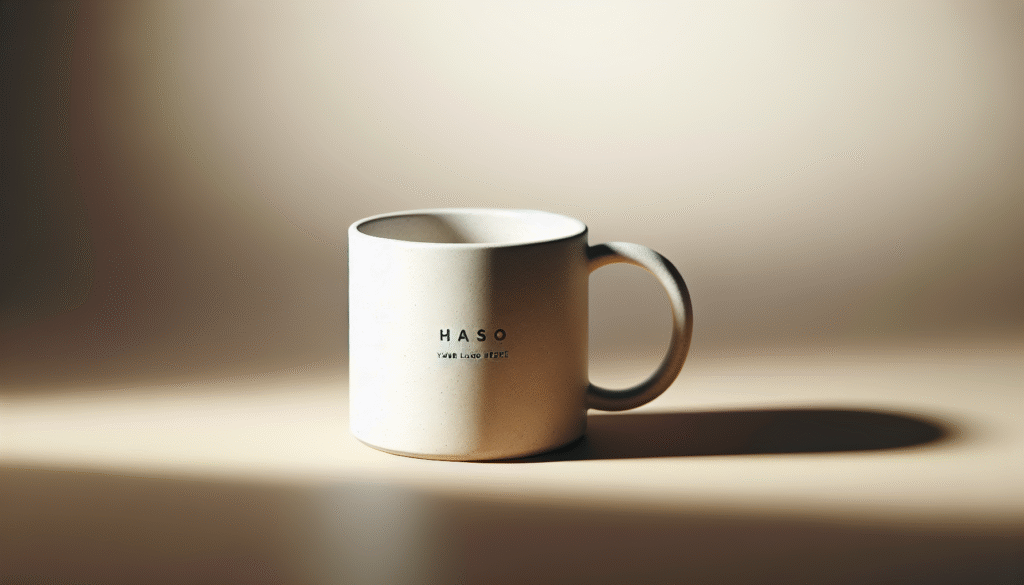
Packaging, presentation, and unboxing experience
How your mug arrives matters. A thoughtful unboxing strengthens perceived value and encourages sharing.
Protective packaging
Use padded inserts, boxed packaging, or molded trays to prevent damage. If you want to reduce single-use plastics, use recycled paper or cardboard padding.
Branded boxes and inserts
A custom box that shows your logo and brand colors enhances the gift feel. Include inserts like a thank-you card, usage care instructions, or a promo code.
Personalization and messages
Personalized notes or name prints create a stronger emotional connection. For high-value recipients, consider handwritten cards.
Encourage sharing
Include a card asking recipients to share photos with a branded hashtag. You can also run a contest rewarding the best photo for engagement.
Legal and brand protection considerations
Protecting your brand and following regulations ensures smooth campaigns.
Trademark and copyright
Make sure you own rights to the logos, art, or photography you print. Avoid using unlicensed images that could lead to legal issues.
Product safety and labeling
Ensure materials meet local safety standards, especially for food-contact surfaces. Provide care instructions and any required labeling.
Contracts with suppliers
Use clear contracts outlining quality standards, timelines, intellectual property ownership, and remedies for defects. Include inspection and acceptance procedures.
Common mistakes to avoid
You want your mug campaign to perform well, so avoid these pitfalls.
Skimping on quality to save cost
Cheap mugs can chip, fade, or leak. Poor quality reflects badly on your brand and can negate goodwill.
Overcomplicating the design
Too many elements or tiny text becomes unreadable. Prioritize clarity and recognition.
Ignoring shipping and packaging logistics
Without proper packaging, you risk breakage and returns. Including shipping costs late in the budget can also derail ROI.
Not testing before large runs
Skipping prototypes can lead to color mismatches or sizing issues. Always test a physical sample when possible.
Failing to track results
If you don’t measure impact, you can’t learn or improve. Use tracking mechanisms from the outset.
Creative campaign ideas using custom made mugs
You can use mugs in many creative ways to strengthen your marketing mix.
Limited-edition series
Release a seasonal or artist-collaboration series that encourages collectors and repeat purchases.
Subscription boxes
Add a branded mug as a welcome gift for new subscribers or as an occasional surprise in subscription boxes.
Welcome kit for new customers or employees
Make a strong first impression by including a mug in onboarding kits for new clients, customers, or hires.
Customer milestone gifts
Send a mug when a customer reaches a loyalty milestone—anniversary, referral milestone, or spending threshold.
Social media UGC campaigns
Encourage customers to post mug photos with a unique hashtag. Reward the best posts to increase participation.
Case studies and real-world examples
Seeing how others succeeded can spark ideas for your campaigns.
Local café brand building
A small café printed a series of mugs featuring neighborhood landmarks. Customers loved the local connection, sales increased, and tourists purchased mugs as souvenirs, extending the café’s reach.
Tech startup onboarding
A tech company provided insulated mugs to new hires with their names laser-engraved. The mugs became prized desk items, reinforcing team identity and reducing disposable cup waste in the office.
Nonprofit fundraising
A nonprofit sold limited-edition artist-designed mugs to raise funds and awareness. The mugs sold out, and buyers shared images, generating free publicity and donations.
Frequently asked questions (FAQ)
You likely have practical questions about getting started. Here are answers to common concerns.
How many mugs should I order?
Consider your campaign goals, storage capacity, and budget. For giveaways at a small event, order enough for attendees plus extras. For retail or merchandise, forecast demand conservatively and consider a re-order plan.
How long does production take?
Lead times vary by printing method and quantity. Small batches can be ready in days, while larger runs often take several weeks. Allow additional time for shipping and customs if sourcing internationally.
Are custom mugs dishwasher safe?
It depends on printing method and coating. Sublimation and high-quality ceramic prints are typically dishwasher safe. Confirm with your supplier and include care instructions if needed.
Can I personalize each mug with individual names?
Yes. Digital printing and print-on-demand allow for personalization with variable data. Expect higher per-unit costs and longer fulfillment times for personalized orders.
What is the best printing method for photos?
Sublimation offers the best full-color, photo-quality reproduction on coated ceramic mugs.
Final checklist before ordering
Use this practical checklist to ensure a smooth production process.
- Define campaign goals and desired quantity
- Choose mug type and material aligned with brand and budget
- Select printing method suitable for your design and quantity
- Request digital proof and physical sample
- Confirm MOQs and lead times
- Plan packaging and fulfillment logistics
- Include tracking mechanisms (promo codes, landing pages)
- Verify supplier compliance with safety and ethical standards
- Budget for shipping, customs, and contingencies
Closing thoughts
Custom made mugs are an affordable, versatile, and memorable way to elevate your brand. You can use them to reward loyalty, increase visibility, and create lasting emotional connections. With thoughtful design, quality production, and a clear distribution strategy, your mugs can become a daily reminder of what your brand stands for and help you achieve measurable marketing goals.
If you’re ready to begin, start by defining your primary objective—awareness, retention, or revenue—and work backward through design, materials, and fulfillment. A well-executed mug campaign can deliver returns that last far longer than the initial cost.