? Want to make your brand part of your team’s daily routine and leave a lasting impression with every sip?
Personalized Coffee Mugs with Company Logo
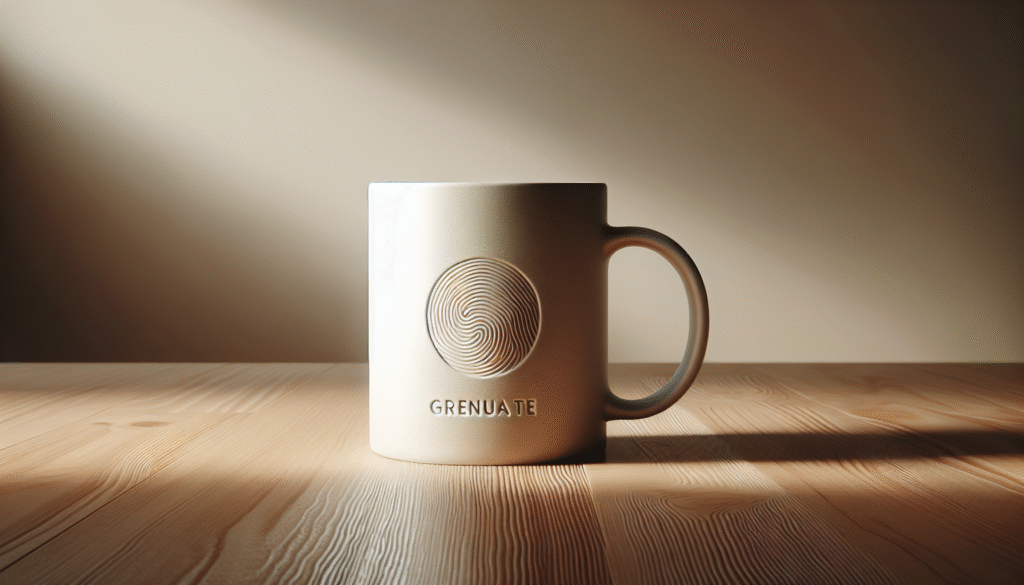
Personalized coffee mugs with your company logo are one of the simplest and most effective branded items you can use for internal morale, client gifts, trade shows, and promotional campaigns. You’ll get repeated exposure for your logo, a practical item people actually use, and an affordable way to strengthen brand recognition.
Why choose company logo coffee mugs?
You’ll find that coffee mugs combine usefulness with strong branding opportunities. They sit on desks, hang out in break rooms, and travel between home and office — meaning your logo gets seen repeatedly by your employees, clients, and visitors. Mugs also feel personal: when you give a mug as a gift, you’re giving a daily ritual.
Types of Mugs and Materials
Choosing the right material and mug type is an important first step. Each option offers distinct benefits for look, feel, price, and durability.
Ceramic mugs
Ceramic is the most popular choice because it feels familiar, prints well, and is cost-effective. Your logo will look crisp with full-color options like sublimation. Ceramic is usually microwave-safe and offers a glossy finish.
Porcelain and stoneware
Porcelain gives a more refined look with a thin, elegant finish, while stoneware has a rustic, sturdy feel. These are great for premium gifts where presentation matters. Porcelain often takes detailed decoration well but can be pricier.
Glass mugs
Glass looks modern and can be embossed or printed. You’ll get a sleek, transparent aesthetic, but glass mugs can be more fragile and sometimes more expensive for bulk orders.
Stainless steel and travel mugs
If your audience is mobile or eco-conscious, stainless steel insulated mugs and travel tumblers are excellent. They keep beverages hot or cold, often come with lids, and are highly durable. Logos can be laser-etched, pad printed, or printed on removable sleeves.
Specialty mugs (color-change, enamel)
Heat-sensitive color-change mugs reveal or hide artwork when hot liquid is poured; these are fun novelty items. Enamel mugs provide a vintage feel and are lightweight, making them suitable for outdoor events.

This image is property of images.unsplash.com.
Printing Methods and Finishes
Different printing methods affect cost, durability, color fidelity, and design options. You’ll choose based on material, budget, and desired look.
Sublimation printing
Sublimation is ideal for full-wrap, high-resolution, full-color designs on polyester-coated ceramic. Colors are vibrant and durable because the dye becomes part of the coating. This is a top choice when you want photos or gradients.
Screen printing
Screen printing is cost-effective for simple designs with a few spot colors on ceramic or stainless steel. It works best for large runs and produces bold, opaque colors.
Pad printing
Pad printing transfers ink to curved or irregular surfaces, making it good for stainless steel tumblers, inside rims, and small logos. It’s precise but best for single-color or limited-color artwork.
Laser engraving
Laser engraving etches your logo into stainless steel, glass, or coated surfaces for a subtle, permanent result. It’s durable and gives an upscale, minimalist look.
Vinyl decals and stickers
Vinyl graphics are used for short runs, complex designs, or variable data (like names). They’re more susceptible to wear and need careful finishing to ensure longevity.
Which method is best for your logo?
Choose sublimation for full-color, photographic wraps; screen printing for bold, single- or two-color logos on ceramics; pad printing for curved surfaces and fine detail; and laser engraving for a high-end, long-lasting finish on metal and glass.
Design Considerations
Your mug design should be clear, legible, and aligned with your brand identity. Consider how the logo sits on different mug curvatures and how colors will reproduce on various materials.
Logo placement options
You can place your logo in many locations: front and center, opposite the handle (so it faces outward), both sides, inside rim, on the bottom, or wrapped around the entire mug. Consider user behavior: if you want visibility when someone holds the mug in their right hand, place the logo opposite the handle.
Full-wrap vs. single-side printing
Full-wrap is eye-catching and works well for photographic or pattern-based designs. Single-side is more subtle and cost-effective. Decide which fits your marketing objective and budget.
Color matching and Pantone considerations
To ensure consistent brand color reproduction, provide Pantone color codes or request a color match proof from your supplier. Keep in mind sublimation uses CMYK and may not perfectly match Pantone without adjustment.
Artwork requirements and file formats
Most suppliers will prefer vector files (.AI, .EPS, .SVG, or high-resolution PDF) with fonts outlined. If using raster images, provide at least 300 DPI at the final print size. Include a 0.125–0.25 inch bleed and keep important elements within a safe zone away from edges and handles.
This image is property of images.unsplash.com.
Production Workflow and Timeline
Understanding the production steps helps you plan campaigns and avoid delays.
Typical production stages
You’ll normally go through design approval, digital proof/mockup, pre-production sample (optional), production run, quality checks, and shipping. Allow for back-and-forth on proofs to ensure correct color and placement.
Production timelines
Standard production is often 5–15 business days for mid-size orders, but timelines vary widely by vendor, printing method, and time of year. Rush options are often available for an extra fee. Request lead times before finalizing your order.
Minimum order quantities (MOQ)
MOQs can range from single units to hundreds depending on method. Screen printing and pad printing typically have higher MOQs than sublimation or laser engraving. If you’re ordering small quantities, ask about short-run options or print-on-demand services.
Cost Factors and Budgeting
Multiple components affect final pricing. Knowing cost drivers helps you balance quality and cost.
Key cost drivers
- Material type (ceramic vs. stainless steel): premium materials cost more.
- Printing method: full-color sublimation and laser engraving may cost more than simple screen prints.
- Quantity: higher quantities typically lower per-unit cost due to economies of scale.
- Packaging: custom gift boxes and inserts add to cost.
- Special features: lids, insulation, color-change coatings increase price.
- Setup fees: screen printing often incurs setup fees for screens, while sublimation may have lower setup costs.
Example cost breakdown table
| Item | Low-cost option | Mid-range option | Premium option |
|---|---|---|---|
| Mug material | Basic ceramic | Stainless steel tumbler | Porcelain gift mug |
| Printing method | Single-color pad print | Full-color sublimation | Laser engraving + custom box |
| Per-unit cost (est.) | $2–$4 | $6–$12 | $12–$30 |
| MOQ | 25–100 | 12–50 | 6–25 |
| Typical use | Mass giveaways | Employee gifts | Executive gifts |
These are rough estimates — ask vendors for quotes based on your specific specs.
This image is property of images.unsplash.com.
Packaging, Presentation, and Unboxing Experience
How you package the mug influences perceived value and safety during shipping.
Packaging options
You can choose basic bulk shipping cartons, individual white boxes, branded gift boxes, or premium presentation boxes with foam inserts. Branded boxes reinforce your image and make gifts feel special.
Sustainable packaging
If sustainability matters to you, choose recyclable kraft boxes, biodegradable packing materials, or bulk shipping to reduce waste. Sustainable choices can also be highlighted on the item or in the campaign copy.
Insert and accessory ideas
Add a branded coaster, a small bag of coffee, a thank-you note, or instructions for care. These extras can boost perceived value and engagement.
Care Instructions and Durability
You’ll want recipients to enjoy the mug for a long time. Clear care instructions help preserve appearance and functionality.
Dishwasher and microwave considerations
Not all printing methods or coatings are dishwasher or microwave safe. Sublimation is generally dishwasher-safe if the coating is quality; screen printed inks can fade over repeated dishwasher cycles. Laser-engraved stainless steel is usually safe. Check vendor specs and include care instructions with each mug.
Cleaning tips to prolong life
Recommend hand washing for printed or decal-applied designs, avoiding abrasive cleaners. For stainless steel tumblers, suggest using bottle brushes and avoiding bleach.
Branding and Messaging Strategies
When you’re using company logo coffee mugs, think strategically about the message you want to communicate and how to measure impact.
Use cases and campaign ideas
- Employee onboarding kits: Include a mug as a welcome gift (note: don’t use the banned word listed in your instructions).
- Client appreciation: Send a personalized mug after a deal closes.
- Event giveaways: Hand out mugs to attendees with event-themed artwork.
- Retail merchandise: Sell branded mugs with limited-edition designs.
- Social media contests: Ask followers to post photos with the mug to increase reach.
Personalization options
You can personalize mugs with individual names, department titles, or job roles to make gifts feel customized. For large teams, consider variable data printing where each mug gets a unique name.
Measuring ROI
Track campaign success with coupon codes printed on mugs, QR codes linking to landing pages, or by monitoring social media mentions and user-generated content. For internal programs, measure employee satisfaction and retention metrics post-distribution.
Legal and Brand Compliance
Protect your brand and avoid legal issues by confirming usage rights and compliance standards.
Trademark and logo usage
Ensure the logo usage follows company brand guidelines — correct color, clear space, and approved marks. If you plan to print a partner or client logo, obtain written permission and validate trademark use.
Safety and compliance standards
For mugs used with food and beverages, ensure materials and inks meet relevant safety regulations like FDA or EU food-contact standards. Ask vendors for certificates and material safety data if necessary.
Ordering Checklist: What You Need to Provide
Preparing files and specifications ahead of time speeds up production.
Essential items to provide
- Finalized logo in vector format (AI, EPS, SVG, or a high-res PDF).
- Color specifications (Pantone or CMYK values).
- Preferred mug material, size, and color.
- Desired printing method and placement.
- Quantity and packaging preferences.
- Shipping address and delivery date requirements.
- Any personalized text or variable data in a spreadsheet.
Sample ordering checklist table
| Item | Why it matters |
|---|---|
| Vector logo | Ensures crisp, scalable artwork |
| Pantone codes | Accurate color matching |
| Proof approval | Confirms placement and color before production |
| Quantity | Affects pricing and lead times |
| Packaging choice | Affects cost and presentation |
| Care instructions | Preserves appearance for recipients |
Minimum Order Scenarios and Small-Batch Options
If you only need a few mugs, you can still get professional results using these approaches.
Print-on-demand and short runs
Many vendors offer print-on-demand services or short-run digital printing to accommodate small orders without high setup fees. You might pay more per unit, but you’ll avoid large MOQ constraints.
Personalized single-unit gifts
For one-off executive gifts, consider premium options like hand-painted or laser-engraved mugs from boutique makers or local artisans. These carry a unique, high-quality feel.
Sustainability and Eco-Friendly Options
If sustainability is part of your brand promise, choose materials and processes that align.
Eco-friendly materials and processes
- Recycled or upcycled materials for mugs and packaging.
- Water-based inks and low-impact dyes.
- Local manufacturing to reduce shipping emissions.
- Durable, reusable tumblers to reduce single-use cup waste.
Communicating sustainability
Label the mug or include a hang-tag explaining the sustainable choices. This reinforces your brand values and builds trust with recipients.
Shipping, Fulfillment, and Distribution Strategies
Managing logistics ensures mugs arrive timely and intact.
Bulk shipping vs. direct-to-recipient fulfillment
For events or office distribution, bulk shipping to a central location is efficient. For client gifts, many suppliers offer kitting and direct-to-recipient fulfillment with personalized notes and different addresses.
Protection during transit
Use padded dividers, bubble wrap, or foam inserts to protect glass and ceramic. Request fragile handling for shipments that include breakable items.
International shipping considerations
When shipping internationally, account for customs documentation, import duties, lead times, and local regulations for food-contact materials. Confirm with your vendor about export packaging and labeling.
Creative Design Ideas and Trends
Staying current with design trends can make your mugs stand out and be more shareable.
Minimalist and monochrome designs
Clean, minimalist logos and single-color prints are timeless and often pair well with sophisticated office environments.
Illustrations and pattern wraps
Custom illustrations, repeating patterns, or brand-themed artwork can make a mug feel like merchandise rather than just promotional material.
Seasonal and limited-edition runs
Release limited designs for holidays or company milestones. Scarcity can increase desirability and social sharing.
Interactive and tech-savvy features
Add QR codes that lead to onboarding videos, exclusive content, or discount codes. Heat-sensitive mugs that reveal a message can add a playful element.
Troubleshooting Common Issues
Knowing how to handle common problems can save time and reputation.
Color discrepancies
If colors look off, request a physical color proof or sample before the full run. Work with your vendor to adjust CMYK values or provide Pantone matches.
Print misalignment or defects
Inspect samples and final goods for print alignment, smudges, or misprints. Have a clear agreement with your supplier on acceptable defect rates and remedies for defective batches.
Breakage and returns
Establish return and replacement policies with your vendor. For breakage during transit, ensure adequate insurance and proper packaging guidelines are followed.
Choosing the Right Supplier
Selecting a reliable vendor will save headaches.
What to look for
- Good communication and quick response times.
- Sample policy and proofing process.
- Clear pricing and turnaround times.
- Quality certificates and safety compliance.
- Positive client references and portfolio examples.
Questions to ask potential suppliers
- What file formats and artwork specs do you require?
- Can you provide a pre-production sample?
- What are your lead times and MOQs?
- What is your defect and replacement policy?
- Do you offer dropshipping and kitting services?
Final Checklist Before You Order
Before you hit “approve,” run through this checklist to avoid costly mistakes.
Finalization steps
- Confirm artwork is in correct format and color mode.
- Approve mockups and request a physical sample if possible.
- Verify packaging and shipping details.
- Confirm production timeline and delivery date.
- Ensure contract terms cover defect rates, refunds, and liability.
Final ordering checklist table
| Final Step | Completed (Y/N) |
|---|---|
| Vector logo provided | |
| Color specs included | |
| Proof approved | |
| Sample requested | |
| Quantity and MOQ confirmed | |
| Packaging selected | |
| Shipping logistics arranged |
Summary and Next Steps
Personalized coffee mugs with your company logo offer a high-visibility, practical branding opportunity that suits many goals: employee recognition, client gifting, event merchandising, or promotional giveaways. You’ll want to balance material, printing method, budget, and presentation to create a memorable item that aligns with your brand values.
If you’re ready to move forward, gather your logo assets, define your budget and quantities, and reach out to vetted suppliers for quotes and samples. With the right choices, your company logo coffee mugs can become a beloved part of daily routines and a small but powerful touchpoint for your brand.